

Darth Grader is a free online climbing grade calculator designed to help climbers assign more consistent and objective grades. It works by breaking down routes, boulder problems, and multi-pitch climbs into manageable sections and rests. This approach addresses the subjectivity and cognitive biases that often make traditional climbing grades so unpredictable.
What Darth Grader is and what it’s designed to solve
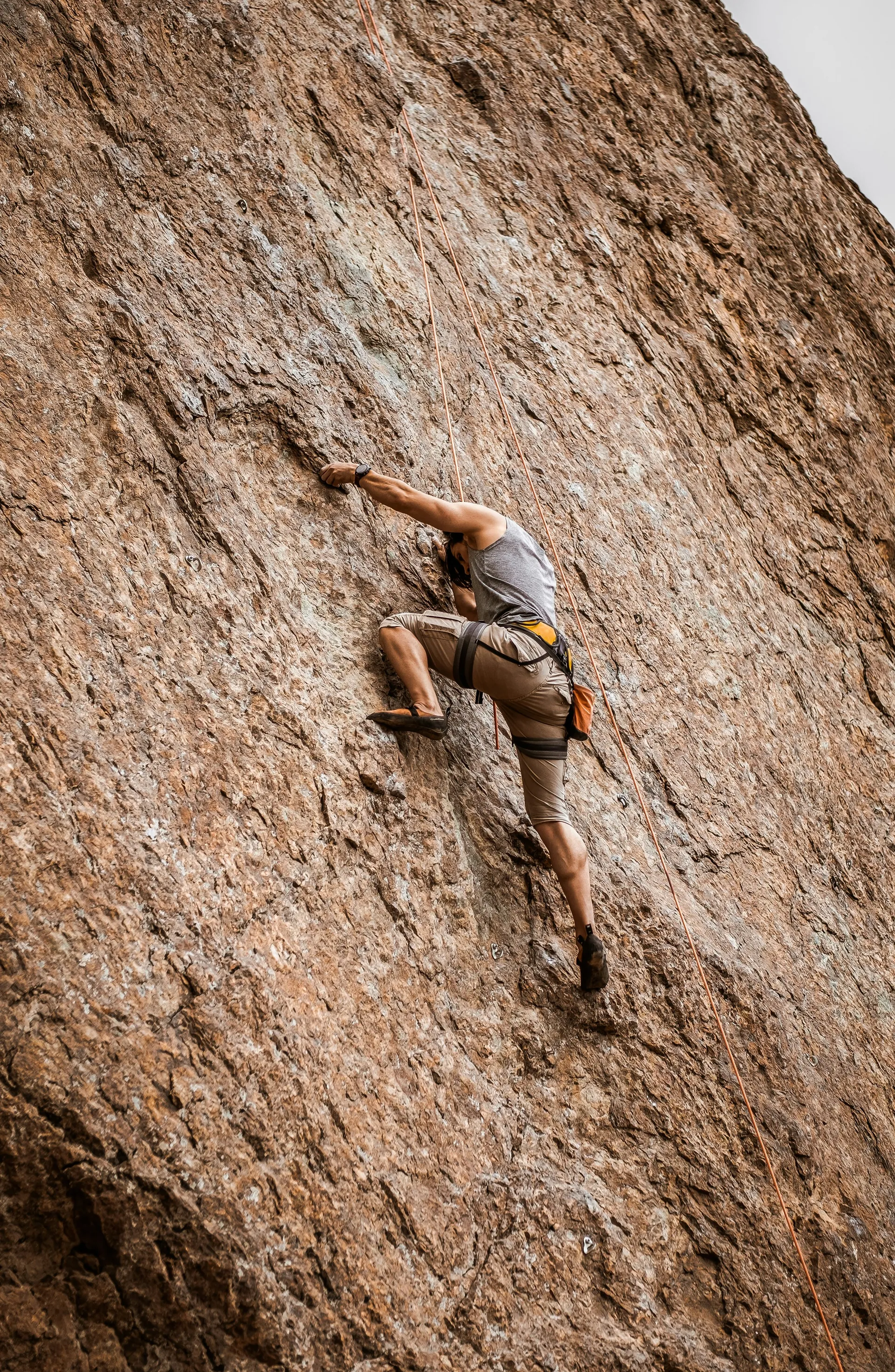
Hey, fellow climber! Imagine a grading calculator that eliminates the chaos of assigning route grades. It allows you to break down a climb into smaller, manageable chunks—like specific sections of technical difficulty. You can factor in the quality of rests and let the tool crunch everything into a reliable overall grade for sport routes, boulder problems, or even multi-pitch adventures. It's like having a grading assistant in your pocket!
Why traditional grades feel inconsistent
Have you ever experienced that frustrating moment when a route feels like a solid 5.11d one day but seems harder the next? That’s because traditional grading is influenced by a variety of factors—crag-specific styles, weather conditions, your fatigue level, the beta you use, and even local habits like sandbagging or grade inflation. On top of that, your body morphology—like reach advantages or disadvantages—can make a 5.10 feel like a project for climbers of different heights. All these variables make consistency a challenge.
“More objective” doesn’t mean “fully objective”
Darth Grader helps make grading more objective by focusing on smaller sections of a climb and evaluating rest quality. This approach reduces big-picture cognitive biases and narrows the scope of your judgment. However, let’s be honest—it still relies on your honest input as the grader. While it’s not perfect, it’s a significant step toward more consistent and accurate grading.
The core model: sections + rests from start to finish
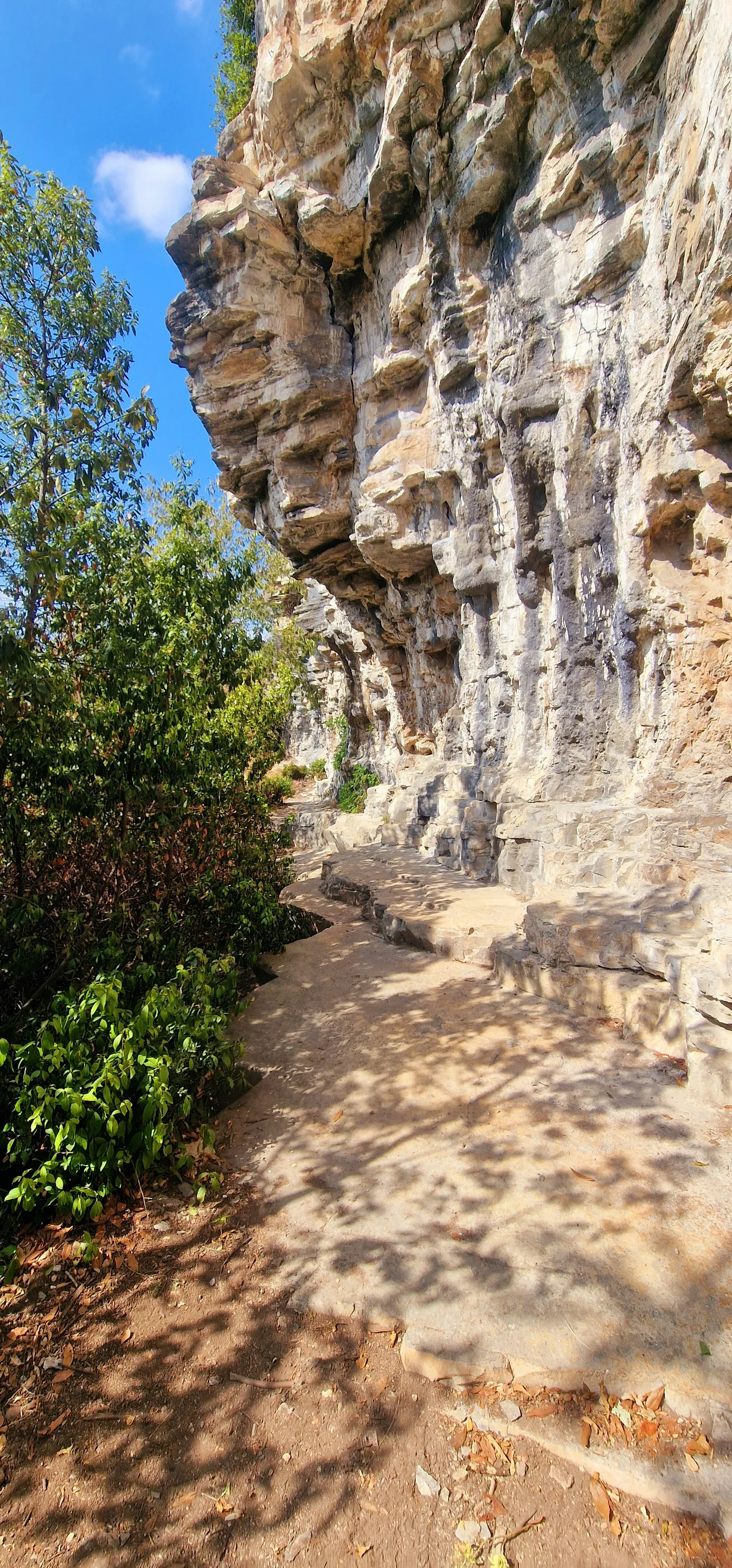
At its heart, reader, the Darth Grader model views every climb as a sequence of sustained climbing blocks—those pumpy endurance stretches or powerful cruxes—punctuated by rests of varying quality. These elements are all strung together from bottom to top to truly capture the route's difficulty and flow.
Route sections vs boulder sections
Deciding between a route section (think 15+ moves of sustained YDS grading, like 5.12a hard) and a boulder section (5-10 burly moves on the V-scale, such as V5) comes down to length and style. If it's short and explosive, treat it as a boulder problem; if it's longer and rhythmic, go with the route-style to reflect how it would feel when tackled fresh.
Rest quality categories
Rate your rests consistently on a scale from:
-
"Good"
- Full recovery, like a comfy ledge that resets you.
- "Medium"
- Partial shakeout.
- "Bad"
- Awkward shake.
- "No rest"
- Back-to-back climbing.
Pay attention to these ratings, as they can supercharge the final grade. A well-placed rest can make the next section feel significantly easier, while a poor rest or no rest can increase the challenge when you're pumped.
Sequencing rules and granularity
Break the route into sections without skipping key moves, ensuring a logical flow from start to finish. However, keep the granularity smart—avoid over-splitting into tiny micro-sections that dilute the model's effectiveness. Aim for meaningful blocks around cruxes and rests to keep your Darth Grader calculator working accurately.
How the calculator turns your inputs into an overall grade
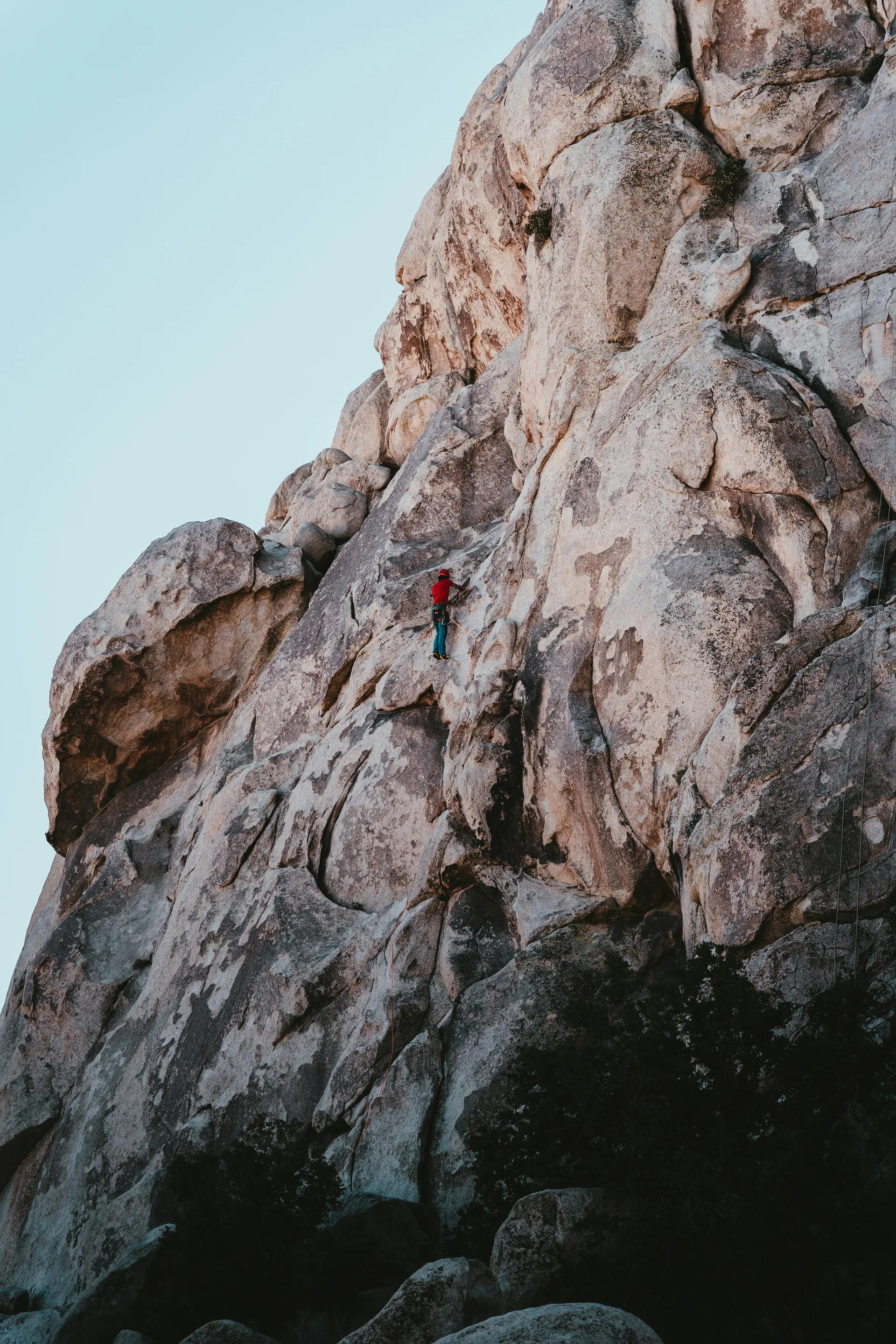
Once you've entered your sections and rests, the Darth Grader calculator uses an iterative algorithm to sequentially accumulate difficulty. Hard blocks build fatigue that amplifies subsequent challenges, while rests help to "reset" the effective difficulty by reducing the pump. This process ultimately generates a precise overall grade for the route.
Combining difficulty with recovery
On endurance-heavy sport routes, stacking a tough section—like a 5.12b—immediately after a V6 crux with a "no rest" in between can drastically increase the grade (for example, to 5.13b). However, incorporating a "good" rest in between allows you to recover, making the entire route feel more manageable and lowering the overall grade.
Output formats and “soft/hard” nuance
The output may display something like "5.11b soft" or "5.12a hard" to reflect the uncertainty or wiggle room you flagged for individual sections. Additionally, it adapts to different grading systems, such as YDS, French, or V-scale, depending on your preferences.
Benchmarking and calibration
To ensure accuracy and avoid personal bias, you can input trusted benchmark climbs—routes with a crowd-sourced consensus based on numerous ascents. This allows Darth Grader to anchor your inputs to real-world standards consistently.
Step-by-step: grading a sport route with Darth Grader
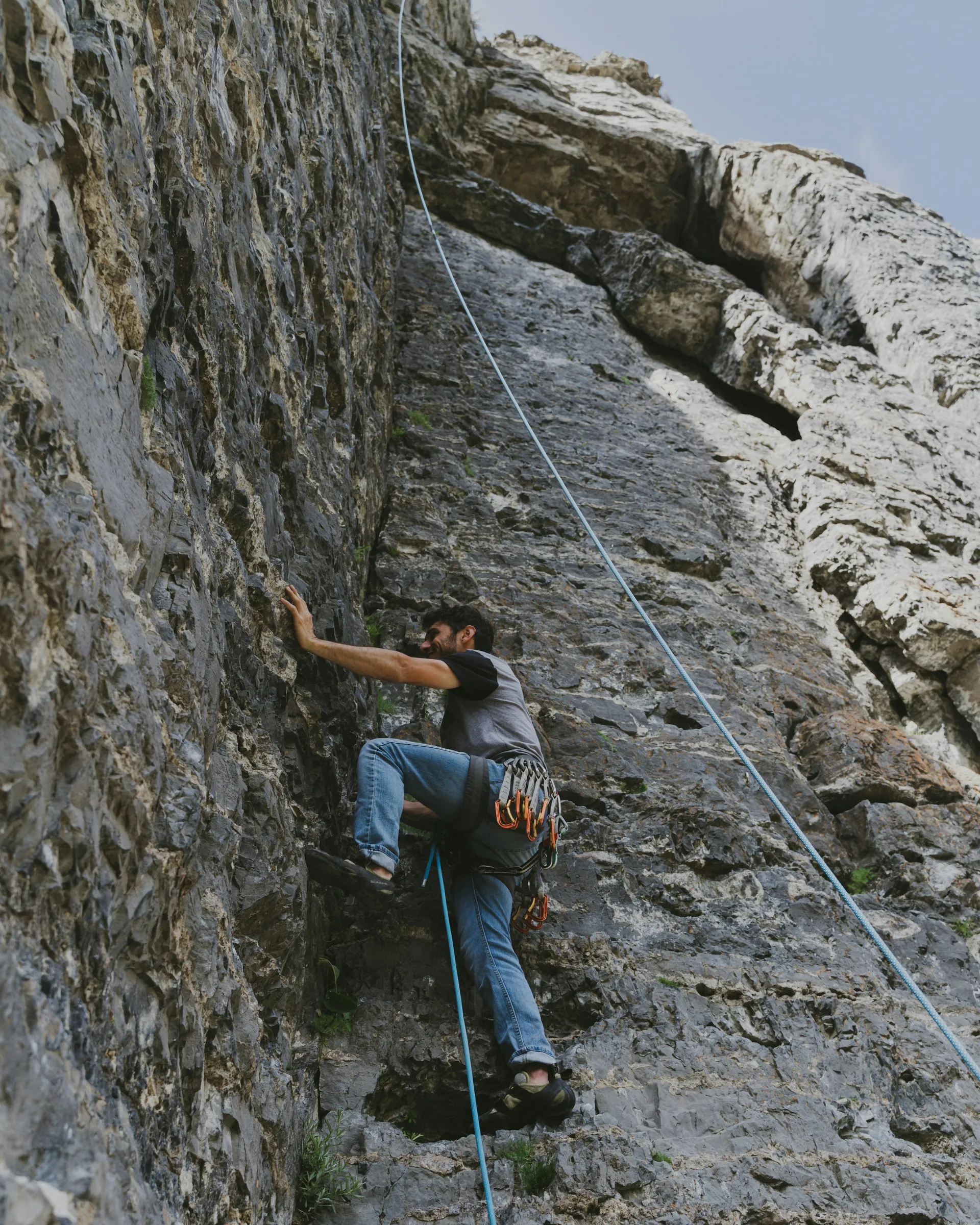
Reader, here's the real-world workflow: you send a sport climbing route, shake out, catch your breath, and now you want to know its true grade. So, you fire up Darth Grader, break the climb into honest sections and rests from ground to anchor, feed them in, and let the algorithm calculate your overall grade.
Identify meaningful blocks and rests on the send
Right after you top out, jot down where the route shifts personality—maybe a warm-up section, then a brutal crux, a pumpy endurance grind, and a technical finish. Flag every spot where you genuinely felt able to shake out or breathe, versus sections where you clipped and kept moving with no real rest.
Assign grades to each block and rate each rest
For each section, ask yourself: "If I started fresh on just this block, what would it feel like?" A 15+ move endurance grind gets a YDS grade (like 5.12a), while a short 5–10 move harder crux gets a V-grade (like V5). You can also mark it as "soft" or "hard" if you're unsure. Then, rate each rest honestly: "good" if you genuinely recovered, "medium" for a partial shake, "bad" for awkward balance, or "no rest" if you had to keep climbing immediately.
Interpret the result and sanity-check it
The Darth Grader calculator outputs your final grade on a soft–hard spectrum (e.g., "5.11b soft" to "5.11b hard"). Compare this result against crowd consensus on routes you're familiar with. If the output feels wildly off, tweak your section grades—often, the issue lies in underestimating a major crux or overvaluing a rest.
Step-by-step: Grading a Boulder Problem
When it comes to boulder problems, having the right crash pad is essential. Darth Grader approaches them as a chain of short, intense move sequences connected together. Instead of relying on a single "gut feel" grade, this method breaks down the problem to reflect the linking challenge without considering rest factors. This approach is particularly useful for problems involving dynos, crimps, or slabs.
Break the Problem into Short Move Groups
Divide the problem based on your actual attempts. Start by identifying sections such as easy start moves (1-4 moves), the main crux cluster, tricky linking sequences, and any top-out slab. Use distinct body positions or power shifts as natural dividers, ensuring each section contains a maximum of 5-10 moves.
Handle Crux Moves and “Link Difficulty”
For instance, a single powerful crux move might be graded as V7 on its own. However, if it's preceded by a V5 section, the overall difficulty increases to around V8+ due to the added physical drain of linking the sequences. Darth Grader reflects this by grading the sequence as a whole, with no rests, to capture the true pump of the chain.
Use the Result to Compare Problems More Consistently
With the overall grade determined, you can now compare boulder problems more consistently across different styles. For example, a roof power V9 can be stacked against a crimpy vertical V9, acknowledging the unique style quirks of each problem without letting them dominate the comparison.
Step-by-step: Grading a Multi-Pitch Route
For towering multi-pitch lines, approach the climb pitch-by-pitch or by grouping major effort blocks. Input each pitch grade along with belay rests to account for cumulative fatigue across the full ascent. This method reveals an overall grade that truly reflects the total grind of the climb.
Pitch-by-Pitch vs Continuous Segmentation
Use the pitch-by-pitch method for routes with varied cruxes and obvious belays, treating each pitch as a self-contained section. Alternatively, group continuous pitches into larger "effort blocks" if they occur back-to-back without meaningful downtime. This ensures the flow remains realistic and aligns with the actual climbing experience.
Belays, Ledges, and Recovery Assumptions
By default, assume belays and ledges are "good" rests that allow for full recovery (e.g., gearing up, chatting, sipping water). However, adjust this to "medium" or "bad" rests for scenarios such as hanging belays, cold wind, rope drag stress, or cramped stances that leave you feeling unsteady.
Interpret Overall Grade vs Hardest Pitch
The overall grade reflects the sustained effort of the climb—like linking three 5.12a pitches into a 5.12d ascent. On the other hand, the hardest pitch highlights the peak technical difficulty. Use both metrics to grade a multi-pitch route honestly, considering factors such as approach, commitment, and the overall send vibes.
Best practices to get consistent, useful results
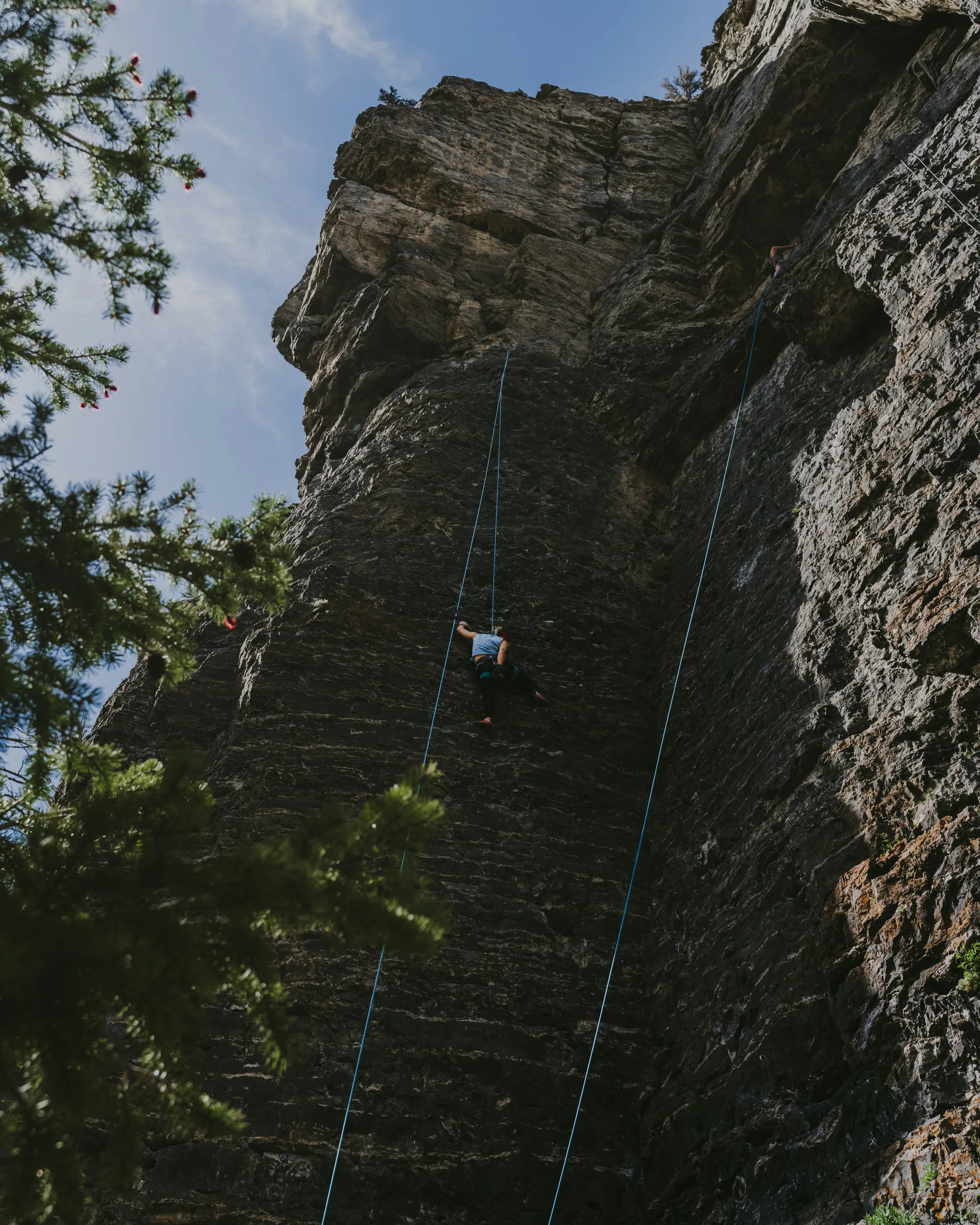
Climber, to achieve reliable and repeatable results from Darth Grader that cut through your personal cognitive biases, ensure you anchor your judgments tightly, log inputs methodically, and cross-check against trusted sends during every session.
Grade sections from your “moderate comfort zone”
Grade sections most reliably when they're in your 80% effort sweet spot—not at your absolute limit where fear or exhaustion distorts perception. Focus on terrain that is challenging enough to demand solid technique, as this yields steadier inputs compared to maxed-out cruxes.
Use known references before grading unknown terrain
Before evaluating fresh routes or boulders, warm up on familiar benchmarks—typically one or two grades below your max. This helps calibrate your sense of section difficulty and builds a consistent internal scale that translates across gyms and crags.
Be explicit about beta and conditions
In your section notes, highlight beta tricks such as kneebars or heel-toe cams, and specify conditions like humidity affecting skin grip, seepage greasing holds, wind chilling fingers, or height-specific reaches. These factors can make moves feel vastly different for climbers with varying body types.
Limitations, critiques, and common pitfalls
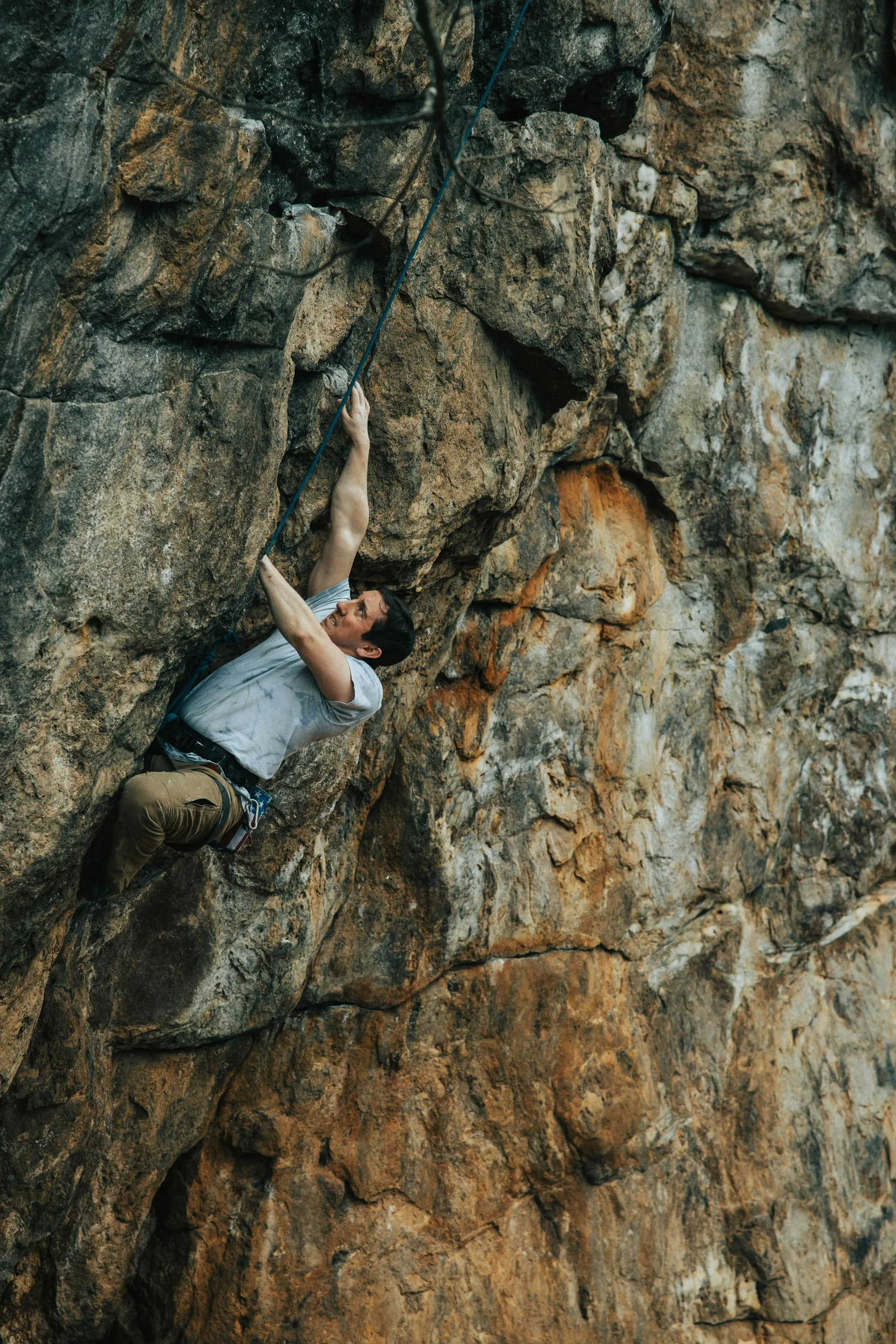
No tool is perfect, reader—Darth Grader excels in SERP chats for systematizing grades, but it can't fix every flaw. Missteps, such as lazy breakdowns or ignoring important context, can seriously impact your results.
Subjective inputs still drive the output
If your section grades are biased—like overhyping a key point due to a haze from limit-climbing—the overall grade will reflect that bias. While it may look structured and polished, it's still subjective, not a machine replacing human judgment.
Over-segmentation and missed rests
Breaking content into too many micro-sections can dilute the effectiveness of the grading model. At the same time, missing a subtle "medium" shakeout or incorrectly labeling a rest as "good" distorts the fatigue calculations, making results inconsistent across climbers or sessions.
Difficulty vs seriousness (what the tool doesn’t measure)
Darth Grader is excellent at evaluating technical difficulty and physical demands. However, it does not account for gear quality, runouts, fall potential, mental challenges from exposure or risk, or objective hazards. These elements require separate assessments for a complete safety evaluation.
Conclusion
Dear reader, Darth Grader is transforming the way we approach climbing grades. By breaking down routes, boulder problems, and multi-pitch climbs into manageable sections and rest points, it provides consistent overall grades that help reduce subjectivity and cognitive biases. Here are the key takeaways: use it as a benchmark for calibration, grade from your comfort zones, and log your beta and conditions honestly.
While there are potential pitfalls like over-segmentation, the use of structured inputs far outweighs relying on gut feelings. Why not give the free Darth Grader calculator a try today? Grade your latest project, compare notes with your climbing partners, and see how your grading skills improve over time.
Your climbs deserve accuracy and precision. Try it now and take your grading to the next level!