

Are you a climber striving to push your limits on the rock and wondering how proper nutrition can enhance your performance, speed up recovery, and help prevent injuries? You're in the right place. Nutrition for climbers is a game-changer, fueling your body to meet the demands of intense training, supporting muscle protein synthesis, and promoting overall well-being.
Picture yourself crushing that dream project—not just because of harder training, but because you've nailed your fueling strategy with the perfect balance of protein, carbs, and fats. Many climbers overlook sports nutrition, leading to burnout, weight loss plateaus, or halted progress. But when you get it right, you unlock significant gains, whether you're tackling boulders or endurance climbs.
This guide will provide all the essential tips you need to eat smart, featuring insights from experts like Marisa Michael, a trusted registered dietitian specializing in climbing nutrition.
What "climbing nutrition" really covers
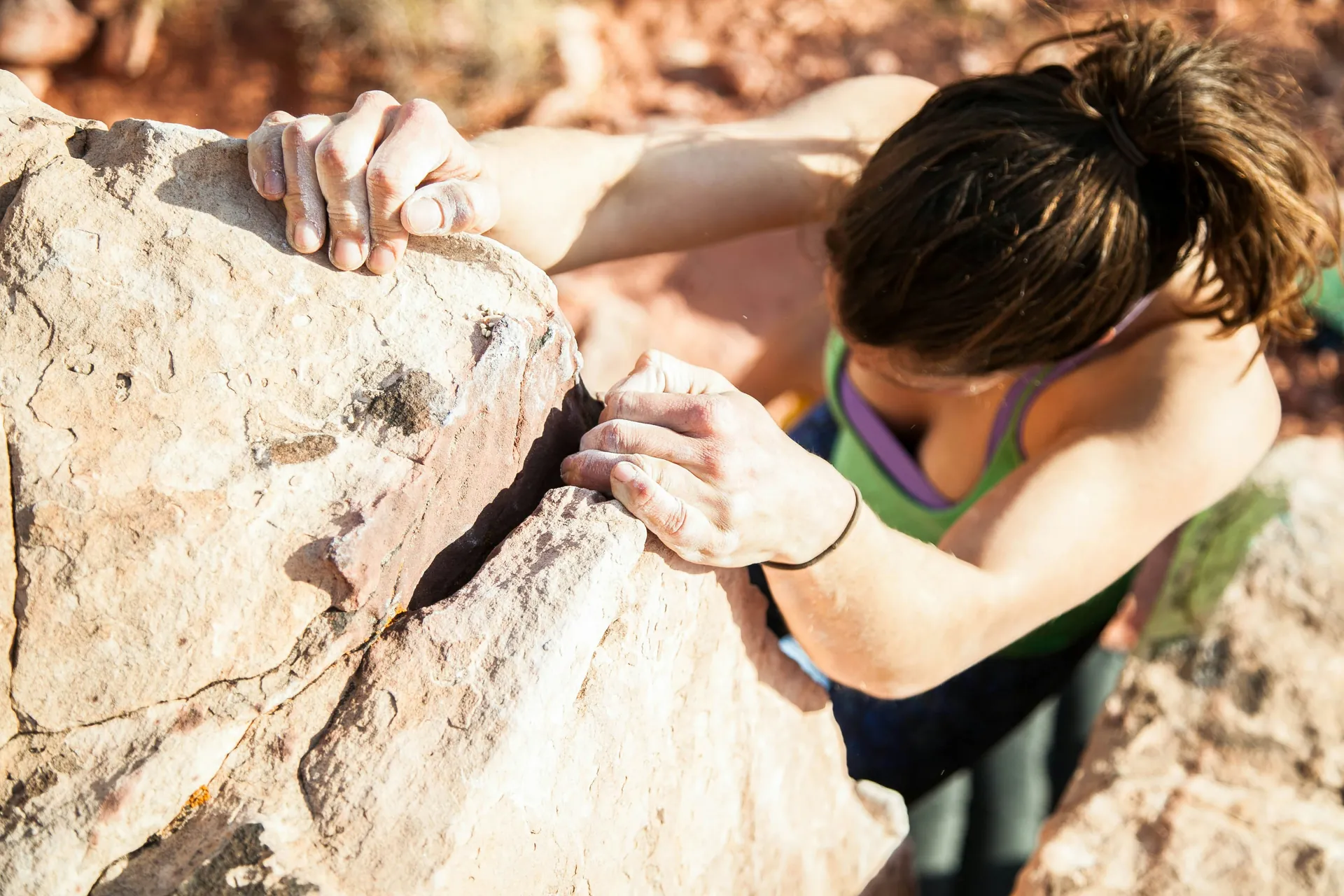
Hey, reader, climbing nutrition is so much more than just counting calories—it's your personalized roadmap to achieving four key goals. First, it helps in boosting your performance on the wall. Second, it speeds up recovery by promoting better muscle protein repair. Third, it safeguards your long-term health. Lastly, it allows for tweaking your body composition only when it truly aligns with your climbing objectives, all while avoiding risks like eating disorders or energy crashes.
Think of it as customizing your diet to meet your sports nutrition needs. A bouldering enthusiast might focus on protein to build power, while an endurance climber prioritizes carbs. Your current training phase—like working on finger strength—may shift the emphasis to a balanced intake of fats and protein.
The energy demands of climbing
In bouldering and power sessions, you rely on explosive anaerobic alactic energy. Energy costs can reach 4.5-5.4 kJ/min on moderate routes. During sport climbing and route days, heart rates typically reach 74-85% of maximum over 30-60+ minute sessions. For long outdoor days and multipitch, the emphasis shifts to sustained aerobic metabolism with energy expenditure of 38-52 kJ/min.
The non-negotiable foundation: energy availability
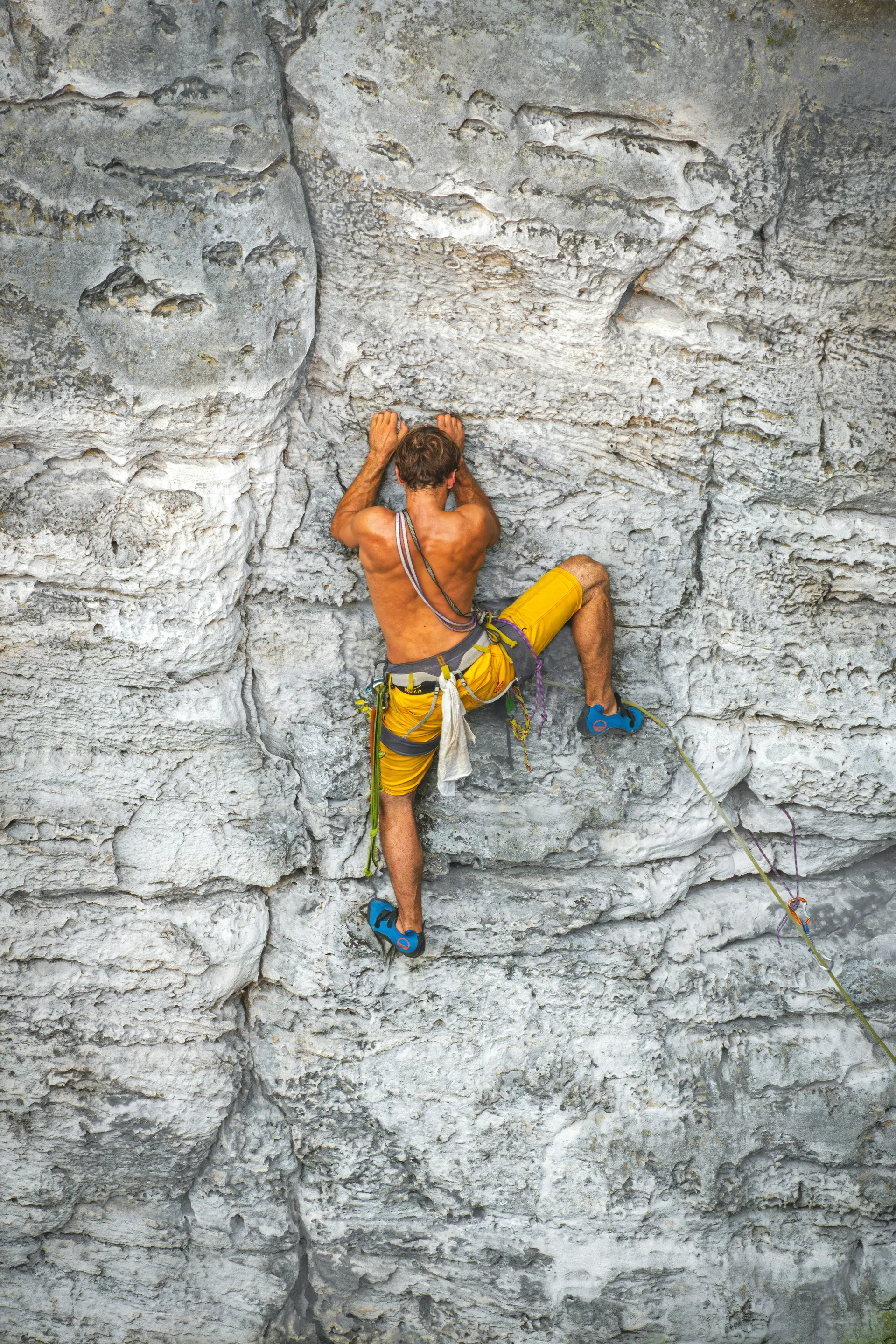
When you're not eating enough to match your climbing training, your body sends distress signals: a performance plateau, faster forearm pump, mood deterioration, and injuries. Research reveals 55.6% of sport climbing athletes have suboptimal energy availability, and 35.6% meet criteria for low energy availability (LEA), with female climbers particularly vulnerable. RED-S leads to reduced performance, decreased training response, reduced muscle and bone mass, and a weakened immune system.
The solution: distribute your nutrition needs across breakfast, lunch, snacks, and dinner. This stabilizes blood sugar, fuels training, and ensures steady muscle protein synthesis.
Carbohydrates: the performance lever most climbers underuse
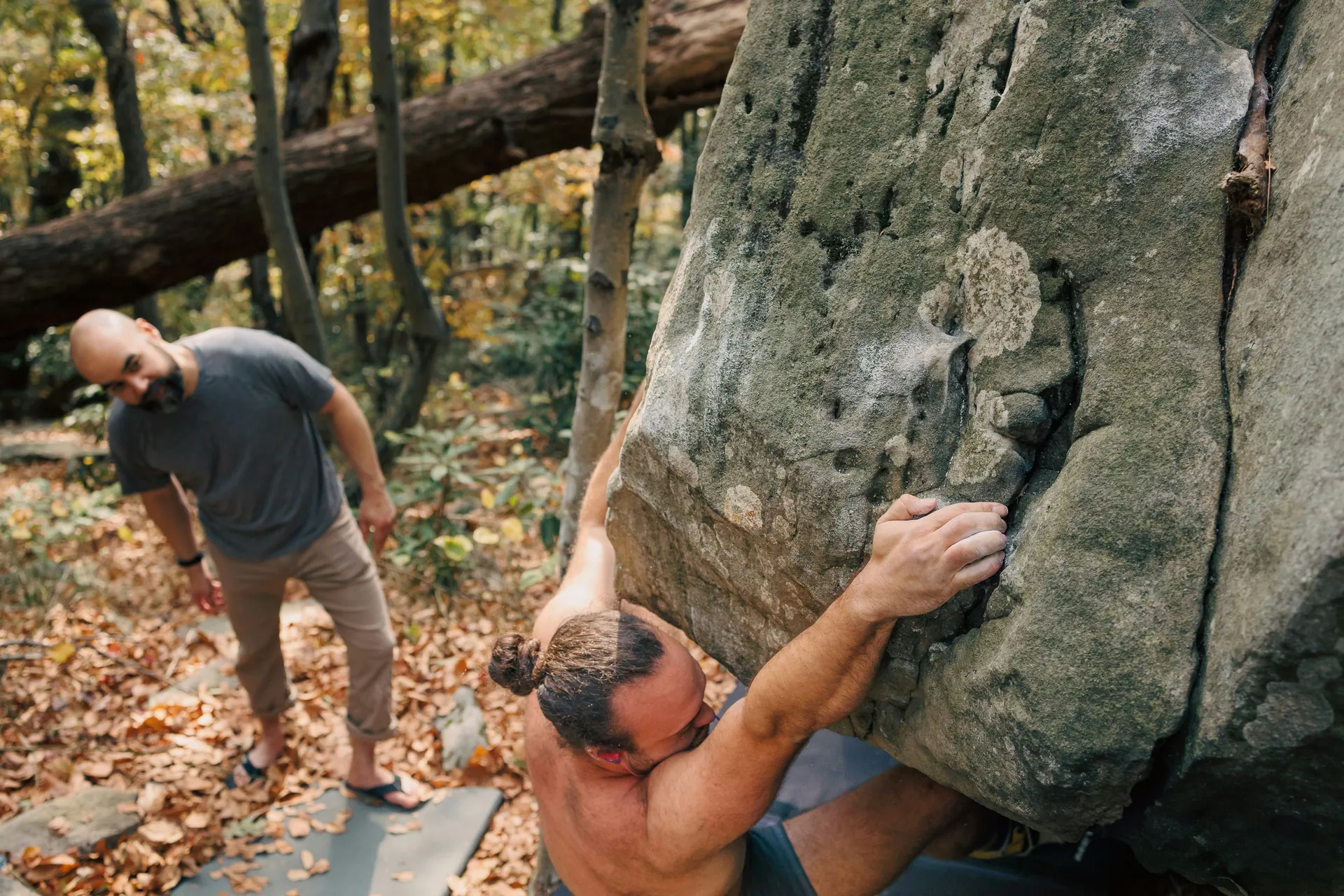
Your muscles store carbohydrates as glycogen for immediate energy. Your brain also runs on glucose—when under-fueled, decision-making suffers and your pump comes early. Most climbers need around 3-5 grams of carbohydrates per kilogram of body weight daily. Two to four hours before your session, consume complex carbs like oats, sweet potatoes, or brown rice. During long sessions (90+ minutes), consuming 30-60 grams of carbohydrates per hour prevents the dreaded flash pump.
Protein: recovery, adaptation, and injury resilience
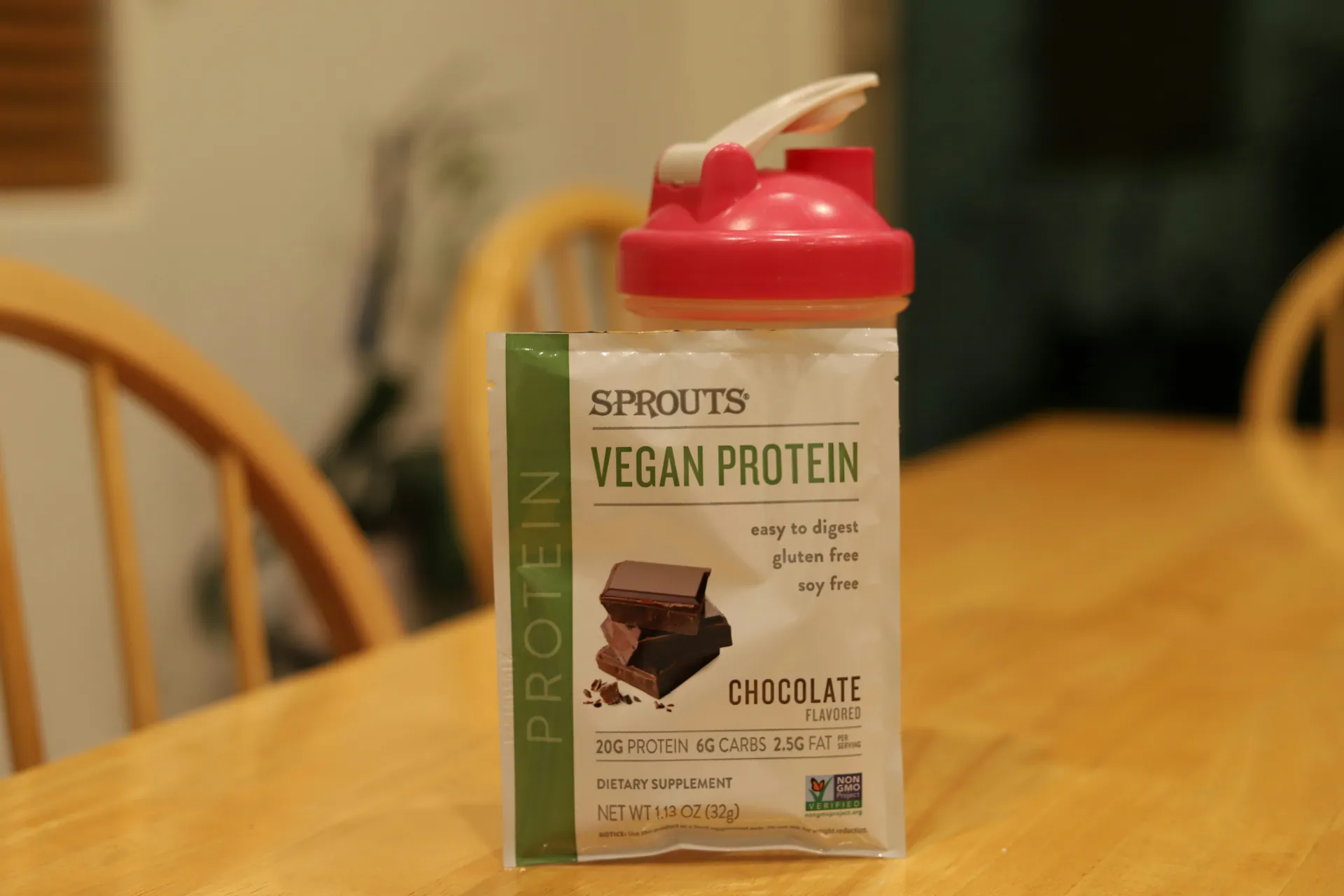
Aim for 1.6-2.0 grams per kilogram of body weight daily, spread across 4-6 meals targeting 20-30 grams every 3-4 hours. After a session, 20-30 grams of high-quality protein with some carbs kickstarts recovery and supports tendon resilience. Focus on whey, dairy, eggs, or meat. For plant-based climbers: soy, pea, quinoa, lentils, or blended sources.
Fats: hormone health, satiety, and consistency
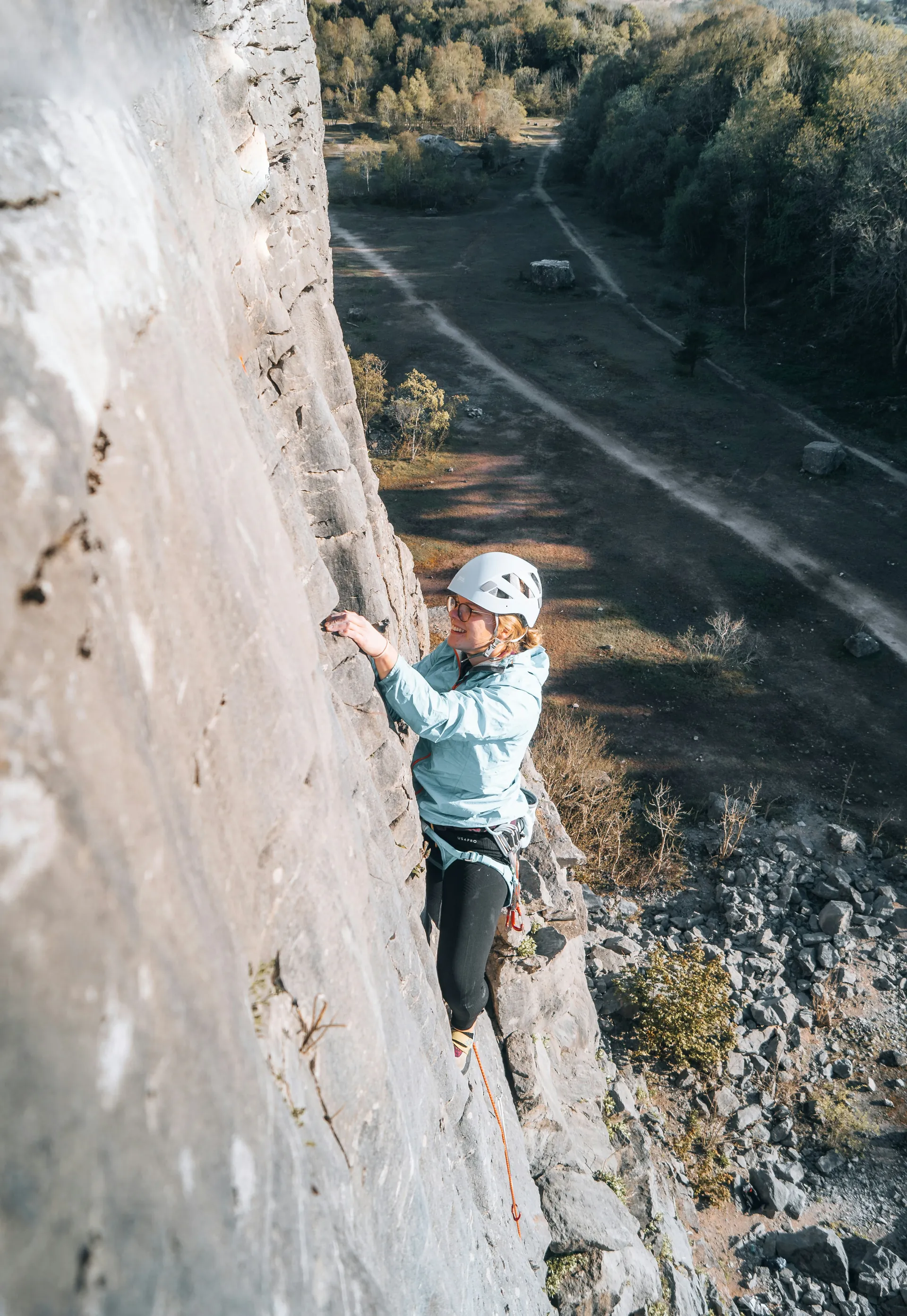
Aim for 20-35% of your daily calories from fat (approximately 40-100 grams per day) from nuts, seeds, avocados, olive oil, and fish. Before your session, keep fat intake minimal since it slows gastric emptying. After your session, pair carbs with a modest fat source to extend satiety.
Hydration and electrolytes for climbers
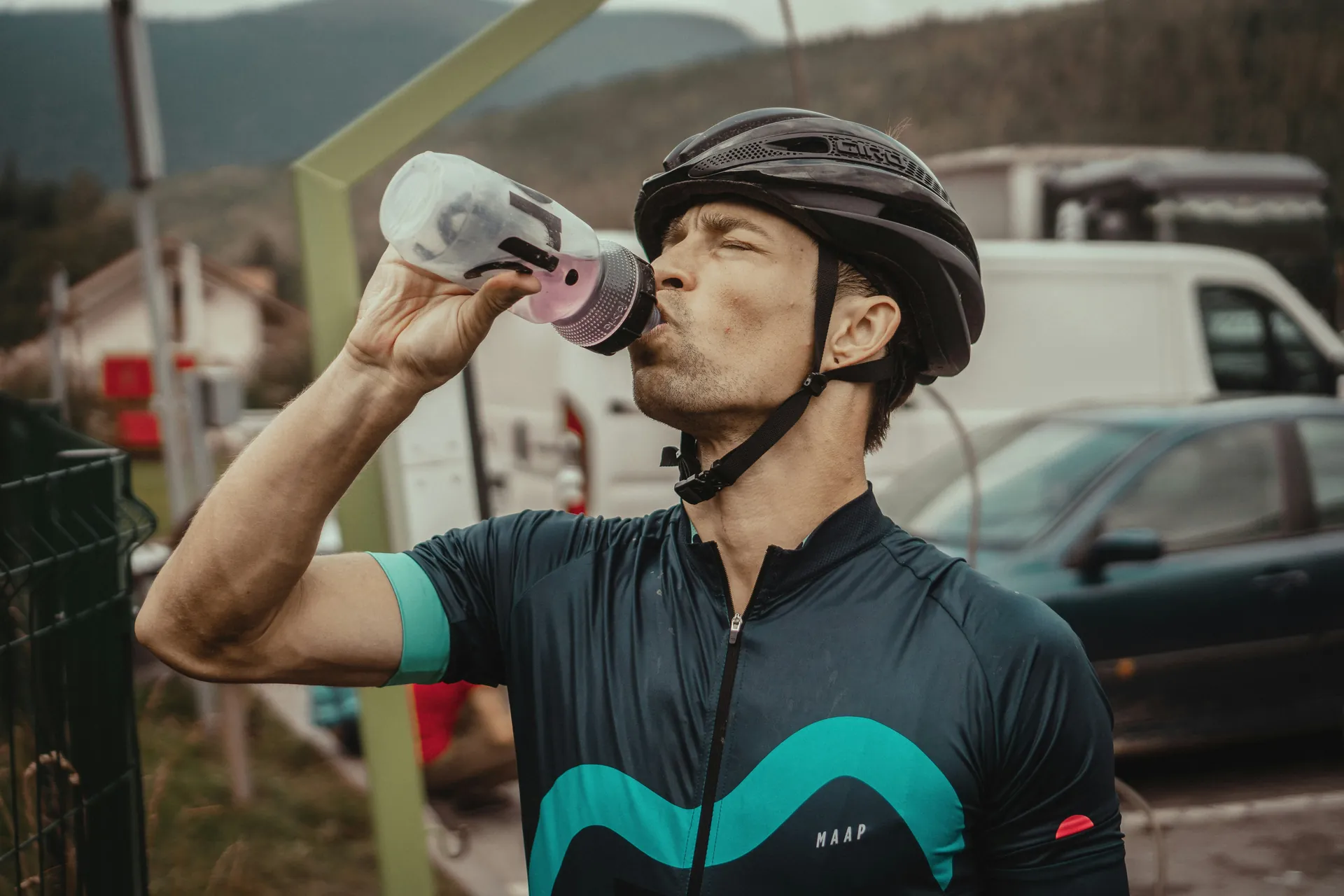
Spot early red flags: dark urine, headaches, dizziness, muscle cramps, or sudden drops in grip strength. Sweat rates vary: gym 0.5-1 L/hour, hot crag days 1.5-2 L/hour. Aim to preemptively hydrate with 500-1000ml/hour. Mix in 300-700mg of sodium per liter when sweating heavily or during sessions exceeding 90 minutes.
Micronutrients that commonly matter
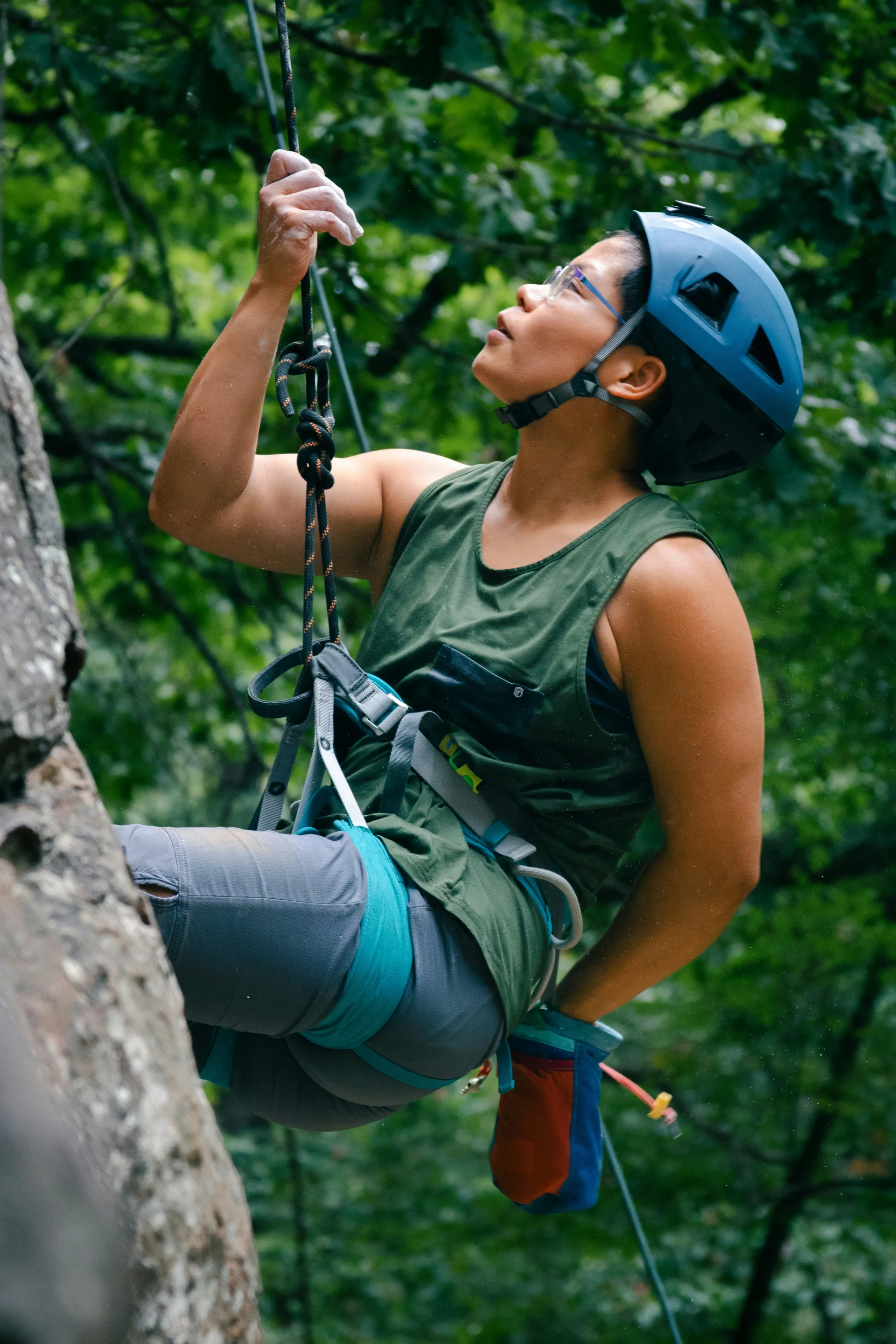
Iron: Low ferritin causes brain fog and diminished power—include red meat, poultry, spinach, lentils, paired with vitamin C. Vitamin D and calcium: Key for bone health—include dairy, fortified plant milks, leafy greens, and consider a 2,000 IU supplement if levels drop below 30 ng/mL. Magnesium: Add pumpkin seeds, spinach, almonds, or dark chocolate.
Timing: before, during, and after climbing

Pre-climb (1-4 hours before): 1-4g carbs per kg bodyweight, paired with 25-30g protein. During (90+ min sessions): 30-60g carbs per hour. Post-climb (within 30-60 min): 20-40g protein and 40-90g carbs.
Body composition: a careful approach
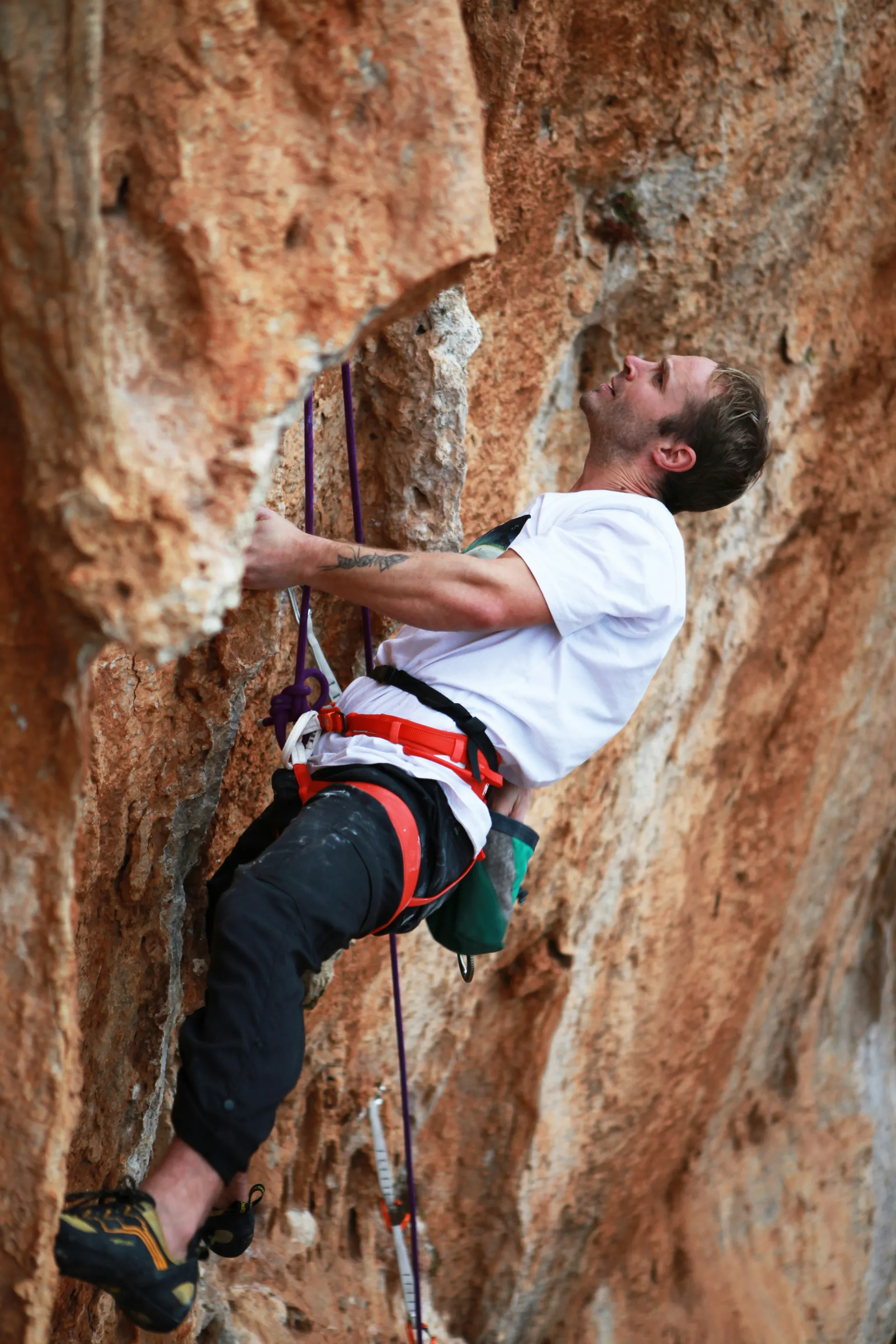
Your power-to-weight ratio matters on overhangs, but obsessing over the scale can harm performance. If adjusting off-season, maintain a moderate 300-500 calorie deficit with high protein (2.2-2.7g/kg) to preserve muscle. Red flags: obsession with weight loss, missed periods, frequent injuries, or anxiety around food—consult a registered dietitian if these persist.
Supplements: signal versus noise
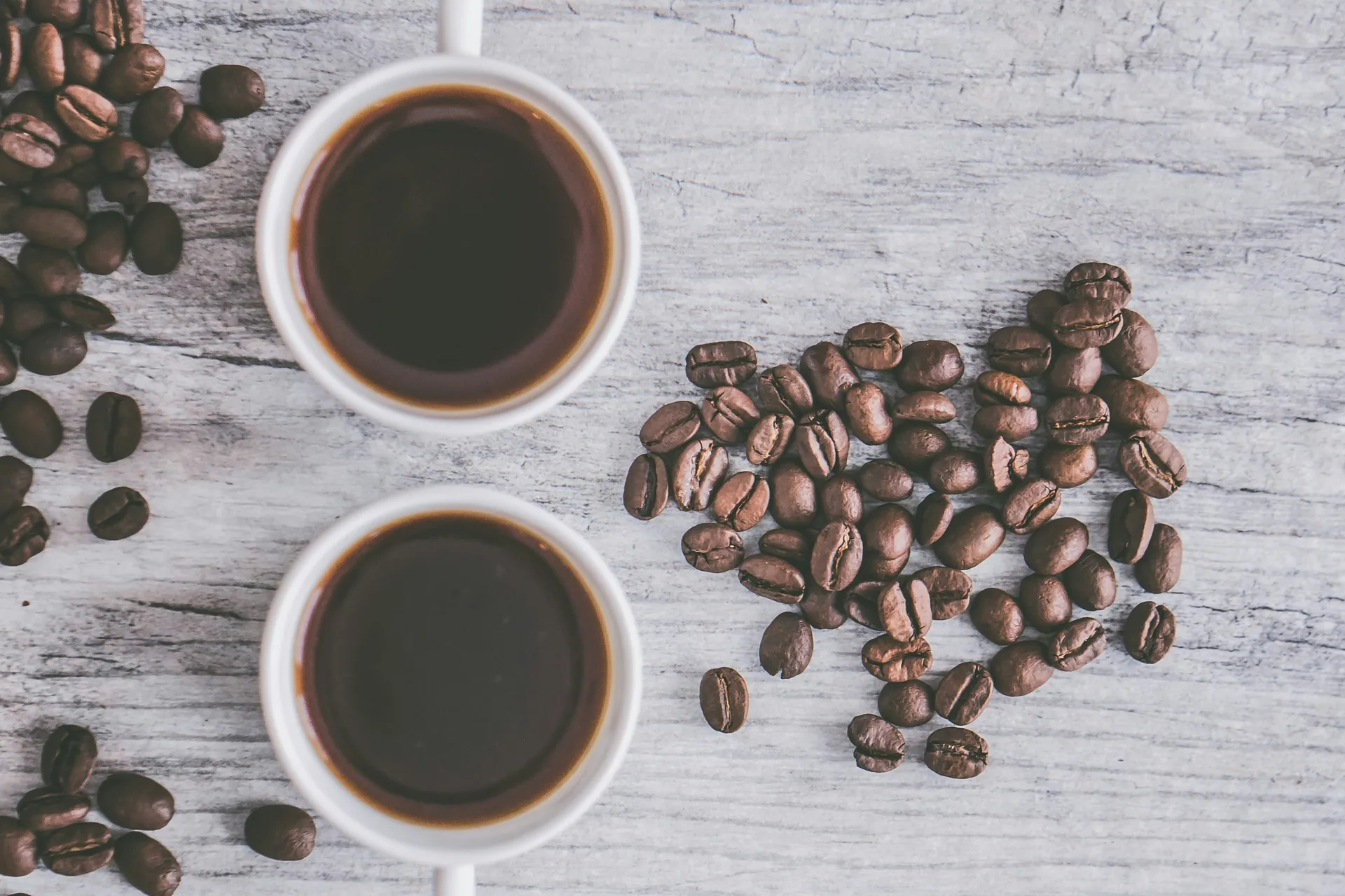
Caffeine: 3-6mg per kg bodyweight 30-60 minutes before session. Creatine: 3-5g daily for short-burst power. Beta-alanine: 3.2-6.4g daily for endurance routes. Collagen: 15g with vitamin C before exercise for minor tendon support.
Common problems and fixes
Low appetite or mid-session bonking: small, frequent, nutrient-dense snacks. GI issues: avoid high-fat, high-fiber, or heavy protein meals 60 minutes before climbing. Cramping and headaches: address hydration (500ml/hour + electrolytes), then check carb intake and magnesium.
A simple weekly fueling strategy
Hard days: carbs 5-8g/kg, protein 1.8-2.2g/kg (~3,000-4,000 cal). Moderate days: carbs 3-5g/kg (~2,500-3,500 cal). Rest days: carbs 2-4g/kg, increase fat (~2,000-3,000 cal).
Conclusion
Climbing nutrition isn't about striving for perfection—it's about maintaining consistency, being intentional, and listening to your body. Start small: fine-tune pre- and post-climb habits, hit your daily protein goals, and prioritize hydration. Don't wait for the "perfect" plan—start today and watch your sends multiply.

Nutrition gets you to the wall. Progressive finger loading gets you up it. Ergonomic edges for measurable strength gains.
From €65
Shop the board →