

Are you a climber striving to push your limits on the rock and wondering how proper nutrition can enhance your performance, speed up recovery, and help prevent injuries? You're in the right place. Nutrition for climbers is a game-changer, fueling your body to meet the demands of intense training, supporting muscle protein synthesis, and promoting overall well-being.
Picture yourself crushing that dream project—not just because of harder training, but because you've nailed your fueling strategy with the perfect balance of protein, carbs, and fats. Many climbers overlook sports nutrition, leading to burnout, weight loss plateaus, or halted progress. But when you get it right, you unlock significant gains, whether you're tackling boulders or endurance climbs.
This guide will provide all the essential tips you need to eat smart, featuring insights from experts like Marisa Michael, a trusted registered dietitian specializing in climbing nutrition.
What “climbing nutrition” really covers
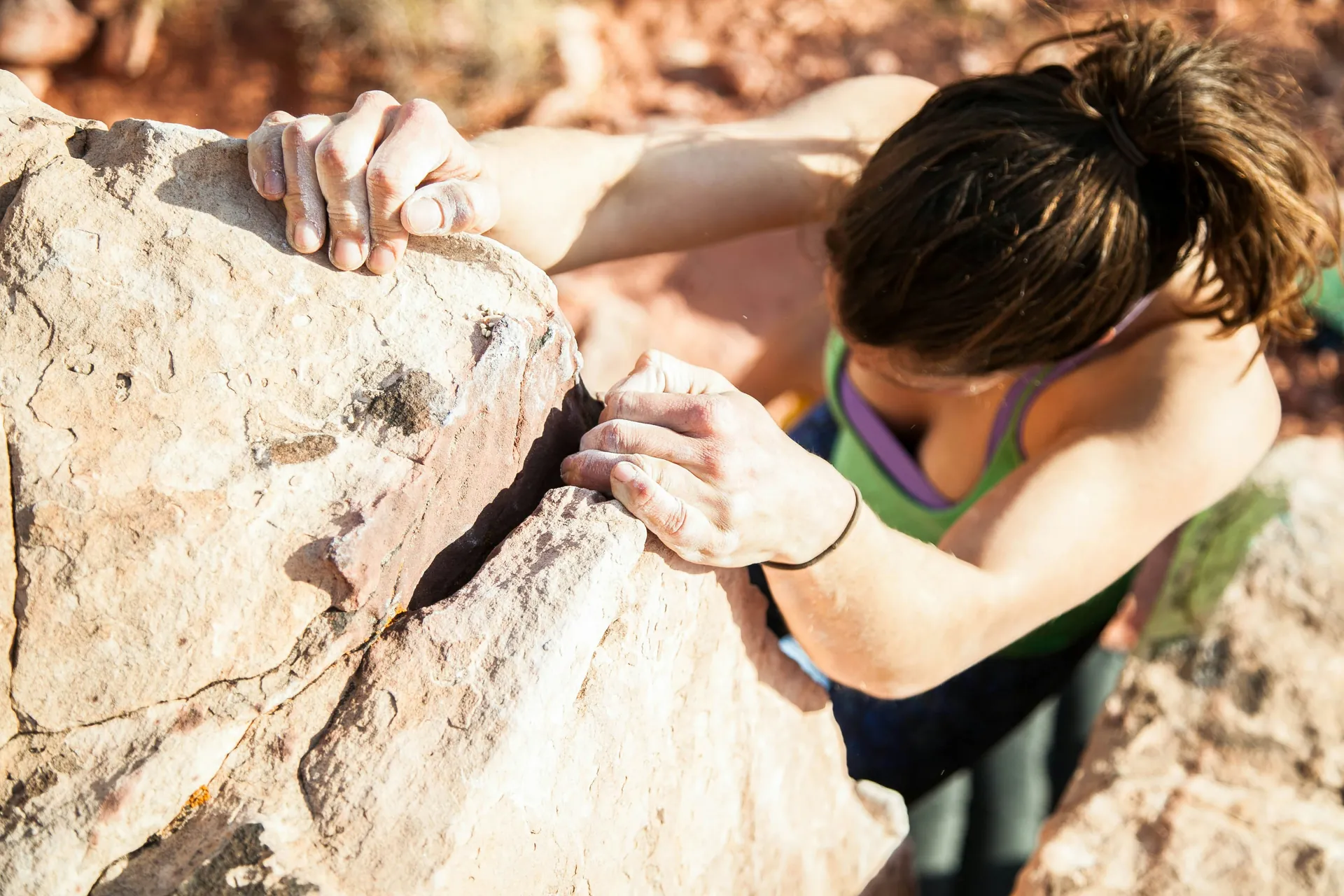
Hey, reader, climbing nutrition is so much more than just counting calories—it's your personalized roadmap to achieving four key goals. First, it helps in boosting your performance on the wall. Second, it speeds up recovery by promoting better muscle protein repair. Third, it safeguards your long-term health, ensuring you can keep climbing for years to come. Lastly, it allows for tweaking your body composition only when it truly aligns with your climbing objectives, all while avoiding risks like eating disorders or energy crashes.
Think of it as customizing your diet to meet your sports nutrition needs. For instance, a bouldering enthusiast might focus on protein to build power, while an endurance climber prioritizes carbs to sustain energy. Additionally, your current training phase—like working on finger strength—may shift the emphasis to a balanced intake of fats and protein for enhanced resilience.
Your nutrition needs continuously adapt based on the climbing discipline and training phase you're in. This ensures you meet critical targets like adequate protein intake for muscle adaptation, sufficient carbs for glycogen replenishment, and enough fats for maintaining hormone balance. All these strategies are supported by climber-specific research, making them highly effective for your goals.
The energy demands of climbing: bouldering vs sport vs endurance days
Bouldering and power sessions: high intensity, short bursts
In bouldering and power sessions, you're relying on explosive anaerobic alactic energy for those maximum-effort, short bursts. These sessions typically involve a 54-62% anaerobic alactic contribution during continuous or all-out tests. Energy costs can reach 4.5-5.4 kJ/min on moderate routes, which is comparable to running at an 8-10 minute mile pace. To meet the high-intensity demands without prematurely depleting glycogen stores, fuel your body with quick carbs and include protein post-session for recovery.
Sport climbing and route days: repeated efforts, longer sessions
During sport climbing and route days, you can expect repeated efforts that combine aerobic (up to 40%) and anaerobic systems over sessions lasting 30-60+ minutes. Heart rates typically reach 74-85% of their maximum, with energy expenditure comparable to moderate running. On harder routes, the slower climbing velocity can increase energy costs by 10% or more. To sustain your performance, focus on a steady intake of carbs for energy and include protein-rich foods to support muscle protein synthesis between attempts.
Long outdoor days and multipitch: sustained output, pacing, electrolytes
For long outdoor days and multipitch climbs, the emphasis shifts to sustained aerobic metabolism. Proper pacing is vital to manage fatigue and prevent appetite dips. Slower climbing velocities can increase postural costs and raise total energy expenditure to approximately 38-52 kJ/min. To combat the physical demands, ensure consistent nutrition by consuming items like gels or bars. Additionally, prioritize hydration and electrolytes to counteract sweat losses and maintain steady performance, especially in variable conditions.
The non-negotiable foundation: energy availability and consistency
Underfueling: how it shows up in climbers (performance plateaus, fatigue, mood, injuries)
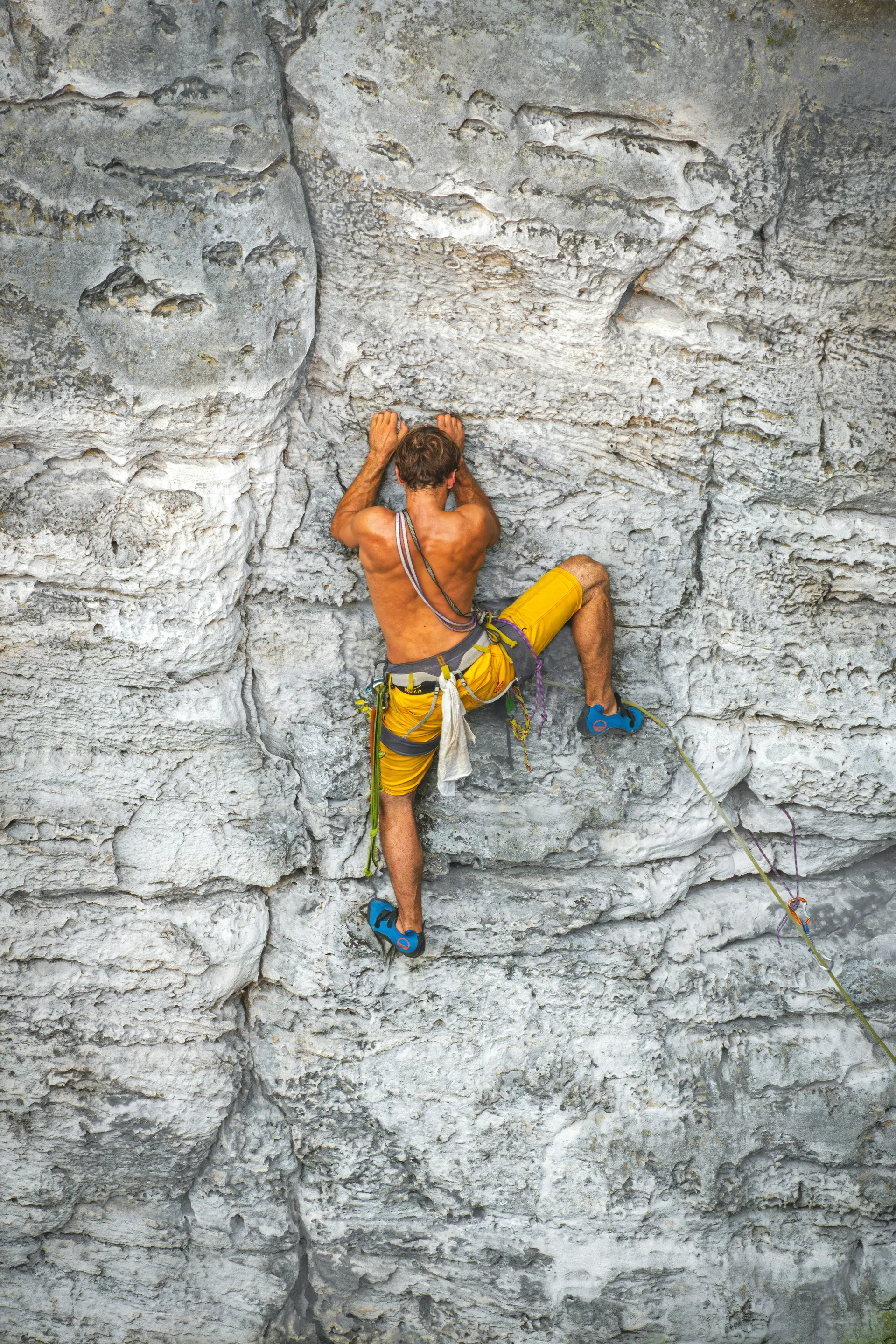
Reader, here's the truth: when you're not eating enough to match your climbing training, your body doesn't quietly accept it—it sends distress signals. You may experience a performance plateau where sends stop coming, your forearms pump out faster, your mood deteriorates, and injuries start to surface. This happens because your nervous system and connective tissues lack the necessary fuel for repair.
Low energy availability (LEA) doesn't just slow you down; it amplifies every weakness in your exercise regimen, turning quality training into a frustrating cycle of minimal progress.
RED-S and relative energy deficiency: why climbers are at risk
The climbing community faces a specific challenge: the pursuit of low weight to climb harder often hides underfueling that develops into relative energy deficiency in sport (RED-S). Research reveals that 55.6% of sport climbing athletes have suboptimal energy availability, and 35.6% meet criteria for LEA, with female climbers being particularly vulnerable.
RED-S isn't solely about eating disorders; it leads to reduced athletic performance, decreased training response, reduced muscle and bone mass, gastrointestinal issues, and a weakened immune system. The troubling part? Many elite climbers operate in this state, believing it's necessary. In reality, adequate energy intake is critical for maintaining health, immunity, injury resilience, and optimizing sports performance.
Building a sustainable baseline intake across the week
The solution is straightforward but demands commitment: eating enough consistently throughout the day boosts energy for climbing, aids in recovery, and supports favorable body composition by promoting muscle growth. Instead of bingeing on food at night when hunger catches up, distribute your nutrition needs across breakfast, lunch, snacks, and dinner. This approach stabilizes blood sugar, fuels your training, and ensures steady muscle protein synthesis rather than sporadic bursts.
Think of energy availability as your foundation: without it, no amount of perfect protein timing or supplement strategies will unlock your true potential. Consistency is key.
Carbohydrates: the performance lever most climbers underuse
What carbs do for power, endurance, and decision-making
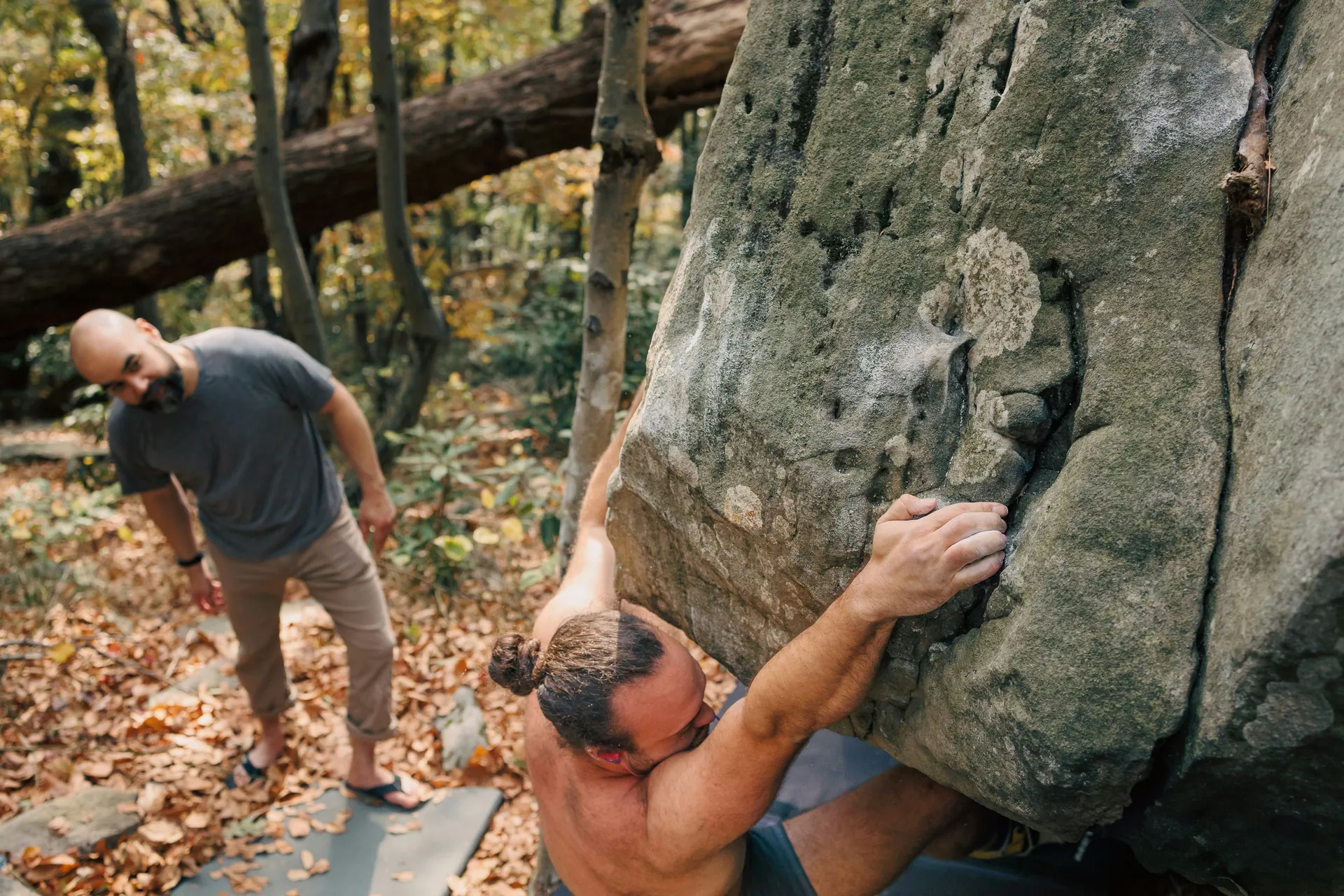
Reader, here's where many climbers stumble: carbohydrates aren't just fuel—they're your secret weapon for peak performance. Your muscles store carbohydrates as glycogen, which breaks down into glucose to provide immediate energy during climbing.
But here's the kicker: your brain also runs on glucose. When it's under-fueled, your decision-making suffers, your pump comes early, and you might miss those flash sends you should nail. On power days, glycogen powers your anaerobic systems for max-effort boulder problems. On endurance routes, carbs sustain your aerobic engine and keep your mind sharp.
Matching carbs to training load: hard days vs easy days
One common mistake is eating the same amount of carbs every day—that's rigid thinking for a flexible body. Most climbers need around 3–5 grams of carbohydrates per kilogram of body weight daily. On hard training days with intense climbing sessions, aim for the higher end of this range or even more, depending on your training volume.
On easy recovery days, you can reduce your carb intake slightly without compromising your performance. The principle is simple: adjust your carb intake based on your exercise—a solid baseline is 45 grams per hour of climbing for most intensities. For sustained or very hard efforts, you'll need even more.
Pre-session and intra-session carbs: when they matter most
Timing is where carbs become tactical. Two to four hours before your climbing session, consume complex carbs like oats, sweet potatoes, or brown rice to build up glycogen stores. Then, 30–60 minutes before you start, consume simple carbs such as a banana, applesauce, or gels to top off your blood glucose levels and ensure immediate energy.
During long sessions (90+ minutes), consuming 30–60 grams of carbohydrates per hour prevents the dreaded flash pump and mental fatigue. A mix of carbohydrates and protein during or right after climbing reduces muscle fatigue by 79% compared to water alone and replenishes glycogen nearly three times better than carbs alone.
Don't overcomplicate it: choose options that fit your real life, such as sports drinks, dried fruit, or energy gummies, and fuel yourself accordingly.
Protein: recovery, adaptation, and injury resilience
Daily protein distribution: why spacing matters
To meet your protein needs without overcomplicating things, aim for 1.6-2.0 grams per kilogram of body weight daily. Spread this intake across 4-6 meals or snacks, targeting 20-30 grams every 3-4 hours. This approach leverages leucine's ability to trigger muscle protein synthesis multiple times a day. By evenly distributing your protein intake, you maximize recovery and adaptation since your body can only utilize a limited amount at a time. Spacing your intake ensures a steady supply of amino acids, which is especially beneficial for muscle, tendon, and ligament repair during intense training periods.
Post-session protein: what it helps and what it does not
After a climbing session, consuming 20-30 grams of high-quality protein with some carbs helps kickstart muscle protein synthesis, reduces breakdown, and supports adaptation. However, it’s not a magic fix—it won’t build bulk overnight or make up for poor nutrition earlier in the day. Consistent post-session protein intake, however, can enhance tendon resilience and aid in injury prevention. This simple habit is a smart addition to any climber's routine.
Protein quality and plant-based options
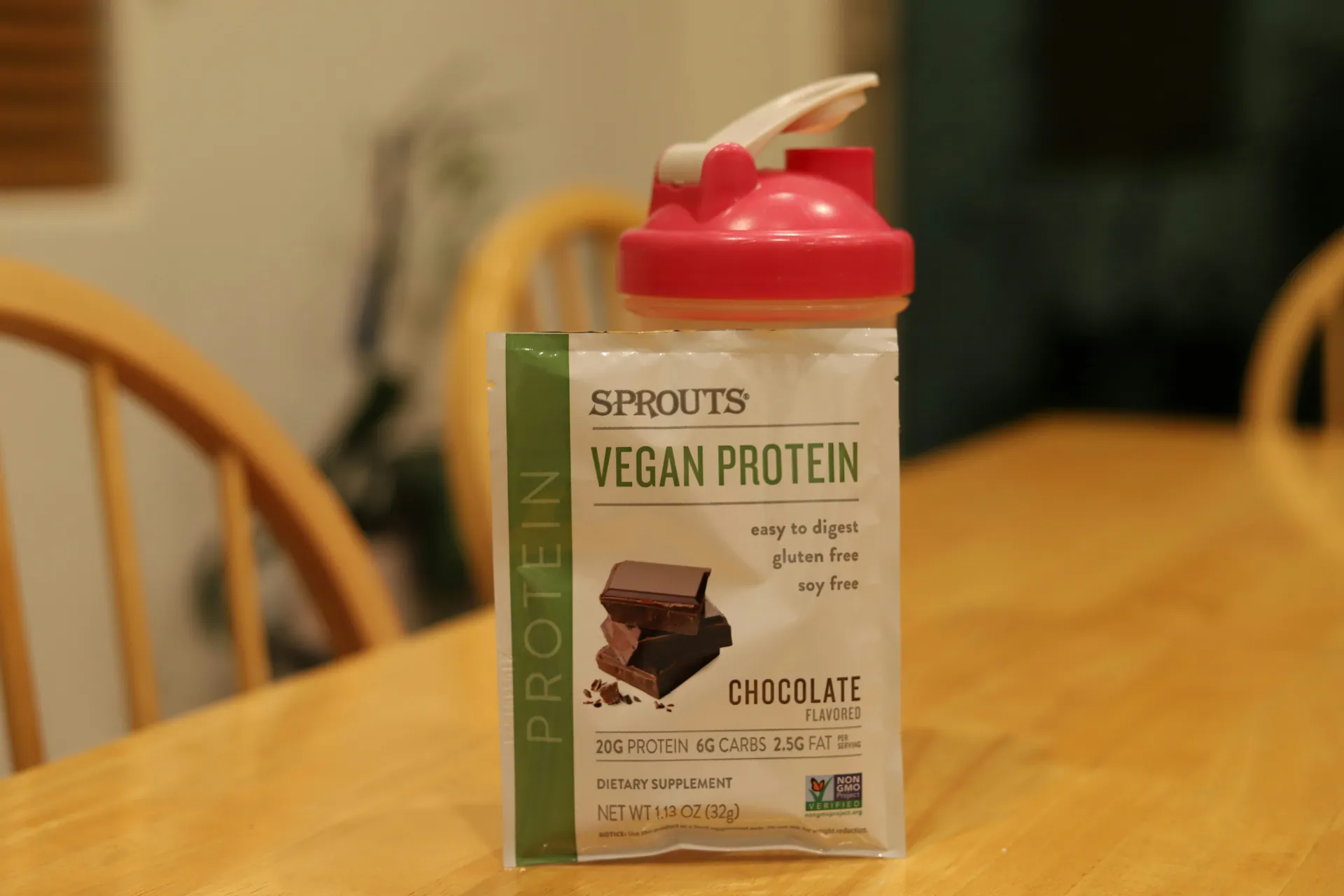
When it comes to protein, quality matters. Focus on sources rich in essential amino acids and leucine, such as whey, dairy, eggs, or meat, for optimal protein synthesis. For plant-based climbers, excellent options include soy, pea, quinoa, lentils, or blended sources that rival animal proteins gram-for-gram. A post-workout scoop of whey or soy provides quick amino acids for recovery, while incorporating these staples into your daily meals ensures you effortlessly meet your protein targets in real-life scenarios.
Fats: hormone health, satiety, and long-term consistency
When higher-fat approaches help and when they hurt performance
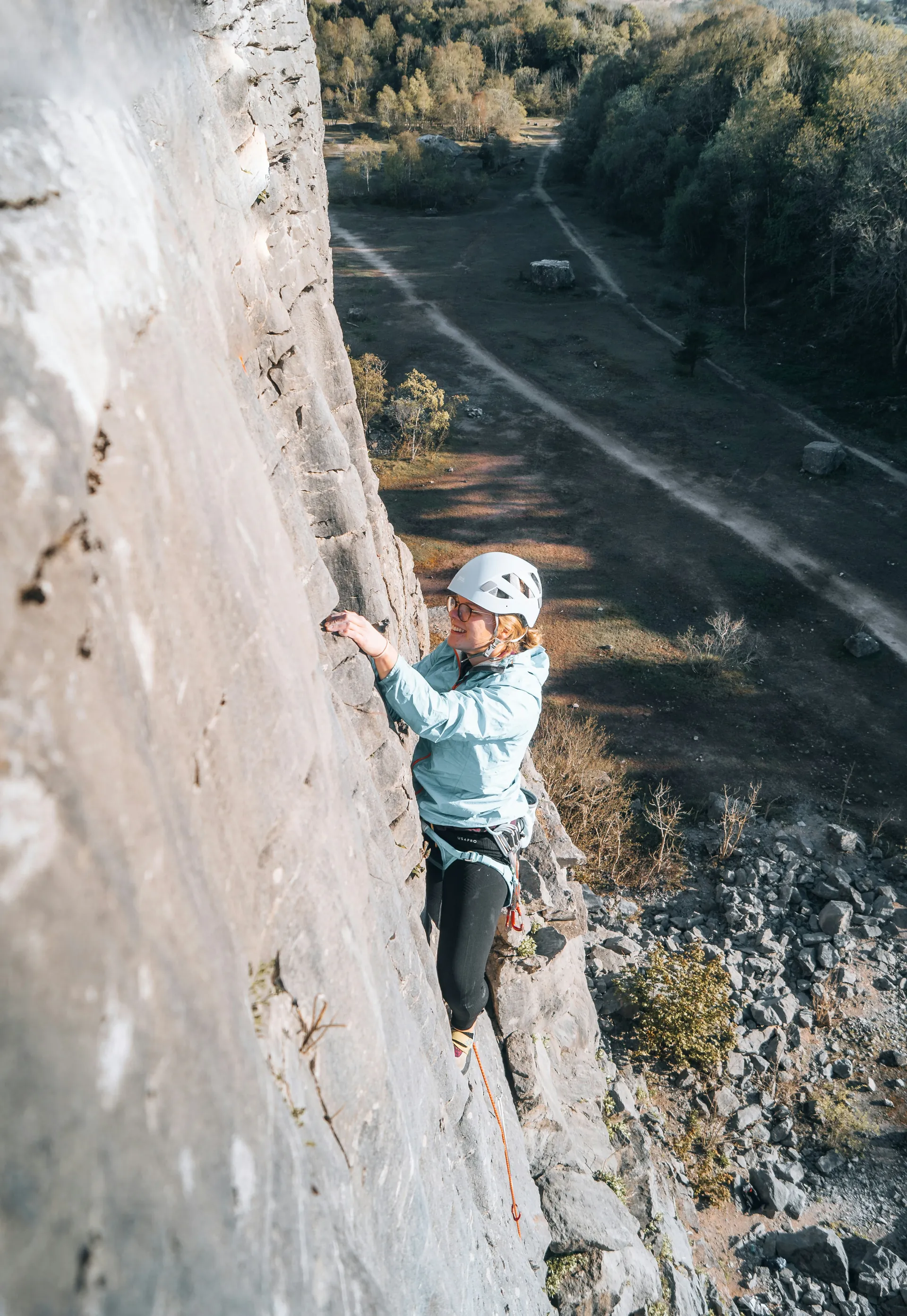
Many climbers often feel confused about the right balance of fat, protein, and carb ratios. Here's the key: these ratios are not one-size-fits-all. On rest days or lighter climbing days, meals higher in fat work wonders as they provide satiety and help stabilize hunger between sessions. However, on intense climbing days, loading up on fat can slow digestion and limit your access to glycogen, negatively impacting your performance.
Think of fat as the brake pedal: it's essential for hormone health, nutrient absorption, and maintaining long-term consistency. But during intense training, consuming too much fat competes with the carbs your body urgently needs for energy.
Balancing fats around sessions for comfort and energy
Aim for 20–35% of your daily calories to come from fat, which translates to approximately 40–100 grams per day depending on your body weight. Let your fat intake come naturally from sources like nuts, seeds, avocados, olive oil, and fish rather than obsessively chasing specific numbers.
Before your session, keep fat intake minimal—a banana is a better choice than a handful of nuts—since fat slows gastric emptying, which could leave you feeling sluggish or uncomfortable during your climbing.
After your session, pair carbs with a modest fat source, such as protein-rich foods like fatty fish or eggs. This combination slows digestion and extends satiety, ensuring you stay fueled and satisfied throughout the afternoon. During high-volume training weeks, it's safe to increase your fat intake to 30–35% without compromising carb availability. On lighter weeks, reduce fat intake and focus on the quick energy your climbing exercise demands.
Hydration and electrolytes for climbers
Signs of dehydration that actually matter in climbing
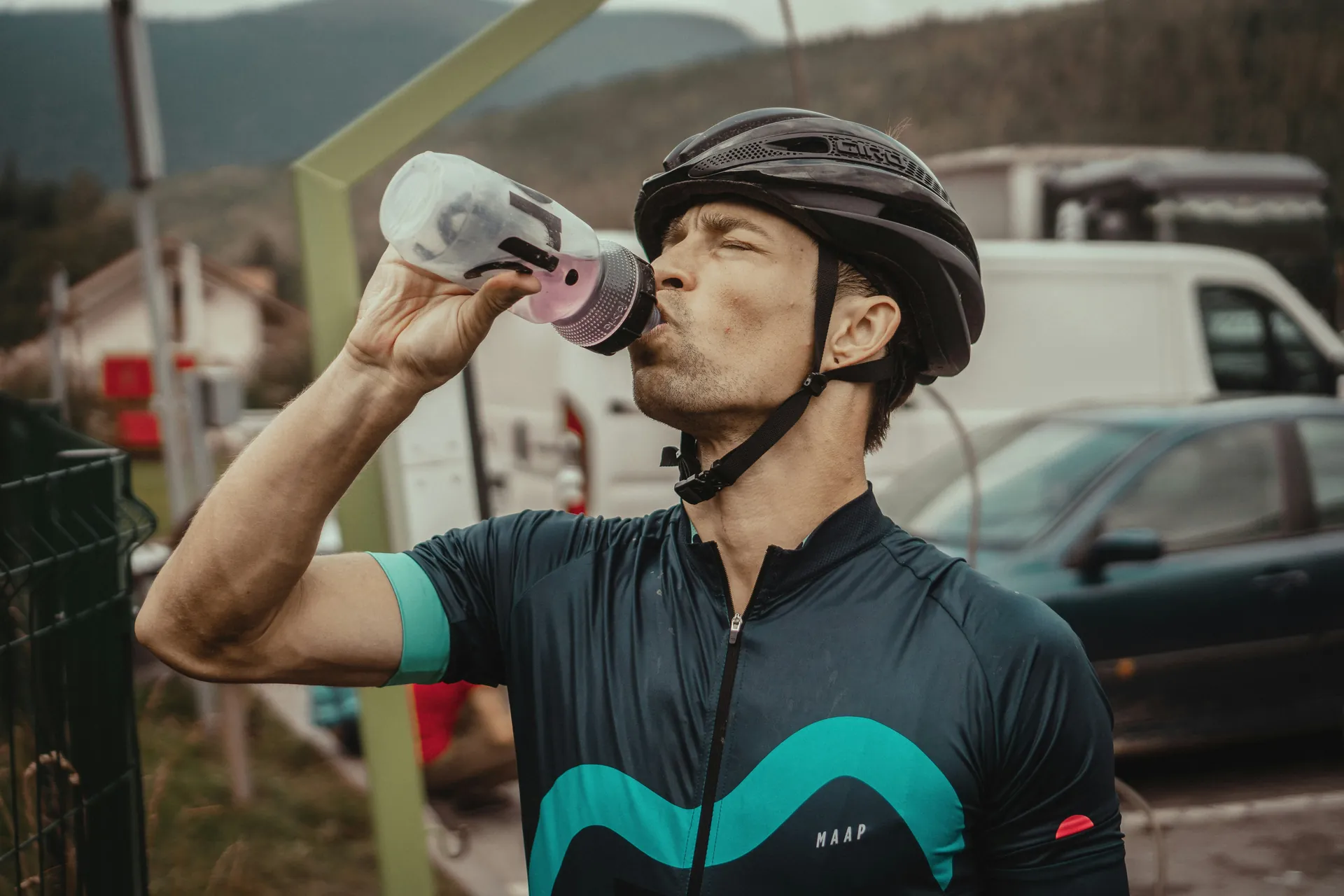
Reader, don't wait for full-blown cramps or collapse—spot these early red flags on the wall before they rob your performance: dark urine every 4+ hours signals trouble, as does unexplained headaches, dizziness, nausea, muscle cramps, severe fatigue, or sudden drops in your grip strength and decision-making. Thirst means you're already lagging, and irritability or lightheadedness mid-session?
That's your body screaming for fluids, often masked in cold crag air but hitting hard during climbing.
Sweat rate variability: gym vs crag, cold vs hot, long days
Your sweat rate varies greatly depending on the environment: gym sessions might see 0.5-1 L/hour in controlled AC, but crag days in hot sun can spike to 1.5-2 L/hour or more. Meanwhile, cold alpine routes might trick you into under-drinking, even though faster respiration is drying you out. Long outdoor days amplify this effect—pair high-intensity climbing with elevation, and you're losing 1-2% of body water per hour. This can drop endurance by 10-20% per percent lost. To stay ahead, aim to preemptively hydrate with 500-1000ml/hour, adjusted for the conditions.
Electrolytes: when water alone is not enough
Water alone isn't sufficient for sweaty, long training sessions or hot crag days. Sodium, potassium, and magnesium losses can lead to cramps and fatigue. To combat this, mix in 300-700mg of sodium per liter using sports drinks or electrolyte tabs when sweating heavily or during sessions that exceed 90 minutes. For climbers, this combination replenishes what pure water misses, helping to prevent the "umbles" (stumbling, mumbling) that can ruin your sends.
Micronutrients that commonly matter for climbers
Iron and ferritin: fatigue and endurance implications
If you're experiencing unexplained fatigue or noticing reduced endurance during your climbing sessions, it might be time to check your iron levels. Iron is essential for delivering oxygen to your muscles, and low ferritin (stored iron) can severely impact climbers, causing brain fog, cold extremities, and diminished power output. Certain groups, such as females, vegans, and high-volume endurance athletes, are more prone to these issues.
To boost your iron levels, include iron-rich foods like red meat, poultry, spinach, lentils, or fortified grains in your diet. Pair these with vitamin C-rich foods, such as citrus fruits, to enhance absorption. If symptoms persist, consider testing your levels, but a food-first approach is both simple and effective.
Vitamin D and calcium: bone health and injury risk context
For maintaining strong bones that can withstand the stress of climbing, vitamin D plays a key role in enhancing calcium absorption. This helps reduce the risk of stress fractures and improves muscle function. Indoor climbers often lack sufficient vitamin D due to limited sun exposure, while individuals avoiding dairy or with low energy intake may face an even greater deficiency.
To support your bone health, incorporate dairy products, fortified plant milks, leafy greens, or canned fish into your meals. Combine these with fatty fish, eggs, or safe sun exposure (10-30 minutes during midday). If your vitamin D levels drop below 30 ng/mL, consider a 2,000 IU supplement to bridge the gap without overdoing it.
Magnesium, zinc, and general “multivitamin thinking”
Magnesium is important for muscle contraction, energy production, and preventing cramps. Climbers who sweat heavily can lose significant amounts of magnesium, which may manifest as muscle twitching, poor sleep, or irritability. Add magnesium-rich foods like pumpkin seeds, spinach, almonds, or dark chocolate to your daily diet.
Zinc is another important nutrient that supports immune function and tissue repair but often gets overlooked. Selenium also contributes to muscle protection through its antioxidant properties, which can be found in Brazil nuts or seafood.
Rather than relying on blanket multivitamins, focus on a varied diet that includes colorful vegetables, nuts, and whole foods to meet most of your nutrient needs. Supplements should only be considered if bloodwork reveals specific deficiencies.
Timing: what to eat before, during, and after climbing

Pre-climb meals: digestion, comfort, and energy
Build a repeatable pre-climb routine starting 1-4 hours before your session. Aim for 1-4g of carbs per kg of body weight from easily digestible sources like oats, rice, or fruit. Pair this with 25-30g of protein in a 2:1 to 1:1 carb-to-protein ratio to stabilize blood sugar and ensure you're fueled without feeling bloated. If you're closer to go-time (under 1 hour), switch to lighter options or liquids such as a smoothie, sports drink, banana, or dates. Avoid high-fiber, fat, or heavy protein foods that could slow digestion, keeping you light and ready for action, whether it's gym hangs or crag sends.
During climbing: snacks that work in real conditions
For climbing sessions lasting over an hour, aim for 30-60g of carbs per hour. Choose crag-proof snacks like bananas, dates, pretzels, granola bars, gels, or chews—options that are easy to carry, mess-free, and gentle on the stomach. Test these during real-life gym sessions to find what works best for your digestion. This practice ensures steady energy for longer climbs or outdoor adventures, even when your appetite might wane.
Post-climb recovery: refueling for tomorrow, not just today
Refuel within 30-60 minutes after your session by consuming 20-40g of protein and 40-90g of carbs. For harder efforts, aim for a 3:1 carb-to-protein ratio. Great options include chocolate milk, protein smoothies, yogurt with fruit, or rice bowls. This helps reduce soreness and replenish glycogen stores for tomorrow's training. Align your post-climb nutrition with regular meals—for example, finish your gym session before lunch or wrap up a crag day before dinner—and watch your recovery and performance improve.
Nutrition for Strength and Finger Training Blocks
Fueling High-Intensity Training Without “Training Fasted” Pitfalls
During strength and finger training blocks, it's best to skip the "training fasted" trend. Your body relies on carbohydrates as the primary fuel for short, intense anaerobic efforts such as hangboard and campus sessions. Research suggests consuming 3-7g of carbs per kilogram of body weight daily to maintain power and avoid energy crashes. To prepare, pre-load with 1-4g of carbs per kilogram of body weight 1-4 hours before training. Additionally, have a quick 30g carb snack closer to your session. This strategy helps you avoid the pitfalls of training on an empty stomach, which can spike cortisol, impair strength gains, and increase the risk of injury rather than promoting adaptation.
Supporting Tendon and Connective Tissue Adaptation Through Overall Diet
Connective tissue benefits greatly from a total energy surplus combined with 20-25% of calories from protein. Aim for 1.6-2.2g of protein per kilogram of body weight, spread evenly throughout the day, to fuel collagen synthesis for tendons and pulleys—not just muscle growth. Incorporate vitamin C-rich foods like citrus fruits and peppers with your protein intake to support matrix remodeling. Additionally, include omega-3s from fish or seeds to combat inflammation and maintain consistent calorie intake. This approach ensures a slow but steady adaptation process, helping your fingers stay resilient through multiple training blocks.
Body composition and climbing performance: a careful approach
Power-to-weight: when it matters and when it is a distraction
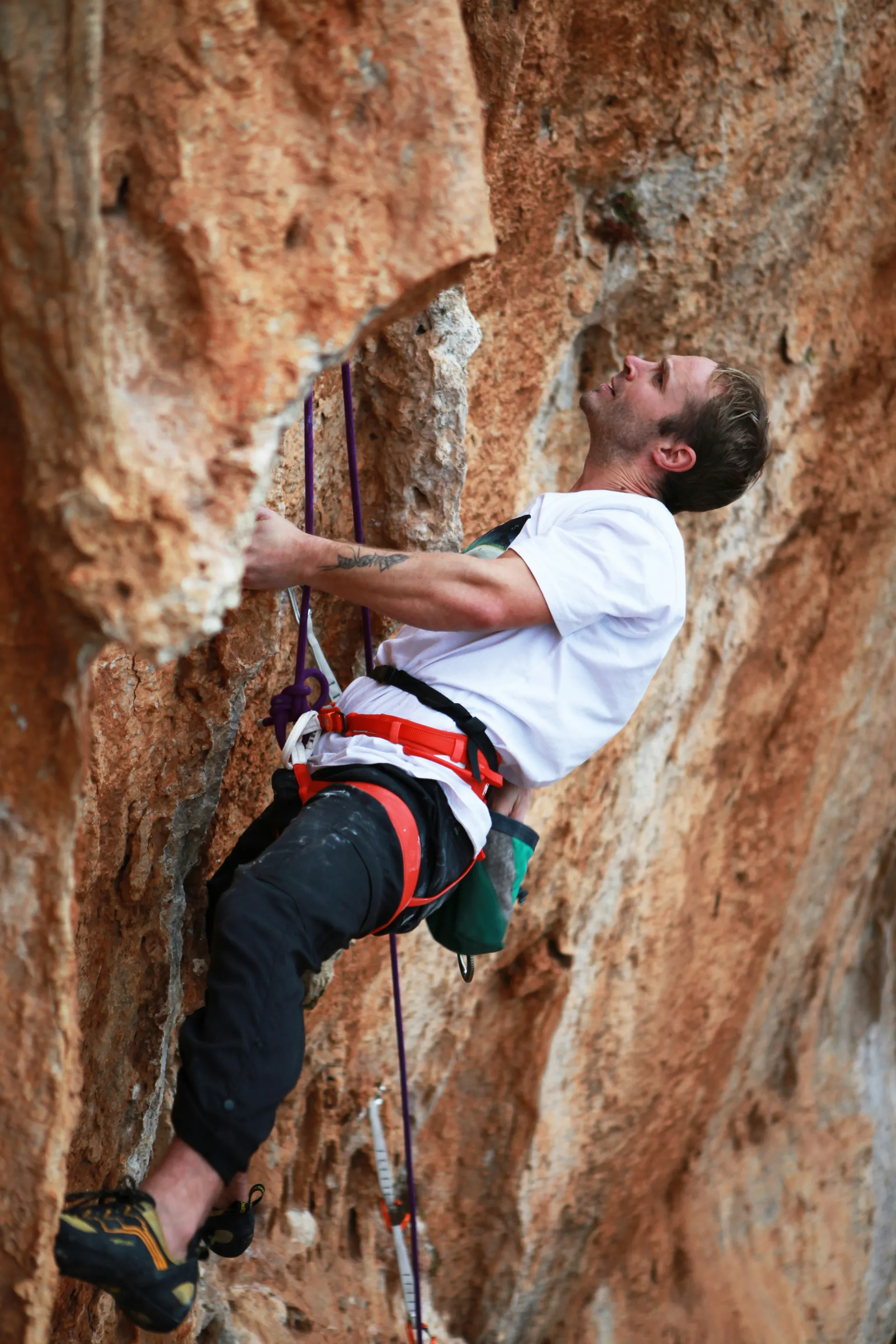
Your power-to-weight ratio—think of it as your finger strength or pull-up force compared to your body weight—is key to succeeding on overhangs and steep boulder problems where gravity challenges you the most. It's similar to how cyclists focus on watts per kilogram during climbs. However, becoming overly fixated on this can be a distraction. Elite climbers focus on technique and strength first. Obsessing over the scale, especially mid-season, can harm your performance, particularly on slabs or less steep routes where absolute power and skill are more critical.
Safe deficit strategy: minimizing performance loss and rebound risk
If you aim to adjust your body composition during the off-season, maintain a moderate calorie deficit of 300-500 calories below your maintenance level. This allows for gradual fat loss of about 0.5-1% of your body weight per week. Prioritize a high protein intake (2.2-2.7g/kg) to preserve muscle while maintaining the quality of your training. Use a phased approach by consuming more carbs on harder training days. This strategy helps prevent rebound weight gain and avoids stalled progress. Remember, tracking strength metrics is far more valuable than fixating on the scale for measuring true progress.
Red flags: disordered eating patterns and when to seek help
Be vigilant for signs of unhealthy behaviors, such as an obsession with weight loss, skipping sessions due to low energy, irregular or missed periods (amenorrhea), frequent injuries, or heightened anxiety around food. These can indicate emerging disordered eating patterns disguised as "optimization." If these issues persist, consult a registered dietitian, such as Marisa Michael, or a doctor. Your health should always take precedence over climbing grades, and seeking professional guidance early can help identify and address risks effectively.
Supplements: what is worth considering and what is mostly noise

Caffeine: performance benefits and tolerance management
Caffeine is a proven ergogenic aid for climbers, enhancing power endurance, delaying fatigue, and improving focus. In fact, elite athletes often rely on it more than protein or vitamins. Studies consistently highlight its benefits without unnecessary hype. To optimize its effects, consume 3-6mg per kg of body weight around 30-60 minutes before your session, using sources like coffee or gels. However, it's essential to periodically cycle off caffeine to manage tolerance and avoid side effects like jitters or an elevated heart rate during hangs.
Creatine: strength support and tradeoffs for climbers
Creatine monohydrate is well-known for increasing creatine phosphate stores, which enhances short-burst power during finger training and campus board sessions. It’s one of the most extensively studied supplements and is favored by elite climbers for its strength-boosting properties. A daily dose of 3-5g is recommended, but be mindful of a potential 1-3kg water weight gain, which could slightly affect your power-to-weight ratio on slab climbs. Despite this, it remains a low-risk supplement and is worth trying if you’re looking to improve absolute strength.
Beta-alanine and nitrates: where they may or may not fit
Beta-alanine helps buffer lactate, reducing the "pump" during repeated efforts. It’s categorized as a Group A supplement for its potential performance benefits, though not all climbers experience significant results. If you’re focused on endurance routes, consider taking 3.2-6.4g daily for at least four weeks. On the other hand, nitrates from sources like beet juice or extracts promote blood flow for sustained power, making them suitable for long sports climbing days. However, climbing-specific evidence is mixed, so personal testing is advised before committing to regular use.
Collagen, gelatin, and “tendon supplements”: realistic expectations
Collagen peptides, such as Supercharged Collagen®, are marketed for tendon support. While small studies suggest collagen synthesis may improve when paired with vitamin C before exercise, a significant 2023 trial showed no substantial benefit over whey or placebo for connective tissue recovery post-workout. Ultimately, exercise itself is the primary driver of adaptation. If you choose to use collagen, aim for 15g with vitamin C to support minor resilience. However, don’t expect miracles for tendon issues like pulley injuries—focus on meeting your total protein needs first.
Common nutrition problems in climbers and how to fix them
Low appetite before climbing and mid-session bonking
That nagging low appetite before climbing or the sudden mid-session "bonk"? It's often due to inconsistent eating habits. Light daytime meals can lead to glycogen crashes and intense hunger later in the day.
To address this, shift to small, frequent, nutrient-dense snacks throughout the day. Examples include hummus with veggies, berries with yogurt, or a power bar paired with fruit. Combine carbs with protein or healthy fats to maintain steady blood sugar levels and provide sustained energy without overwhelming your stomach before a session.
GI issues during sessions and comp days
Struggling with GI distress during comp days or long routes? The culprit is often high-fat, high-fiber, or heavy protein meals consumed too close to your start time, which slows digestion.
To prevent this, avoid such meals 60 minutes before climbing. Opt for low-fiber carbs like pasta, white rice, pancakes, pretzels, or sports drinks. Steer clear of nuts or greasy wraps that can cause bloating. Test these adjustments during gym sessions to discover your gut's "sweet spot" for reliable performance at the crag.
Cramping and headaches: nutrition vs pacing vs hydration
Experiencing cramping mid-send or headaches clouding your focus? Start by addressing hydration: aim for 500ml of water per hour, adding electrolytes on particularly sweaty days. Also, check your pacing—rushing can increase losses—but don’t overlook carb intake or essential micronutrients like magnesium.
Combat these issues with steady intra-session snacks like cereal bars or dates. Incorporate nuts and seeds for a magnesium boost, and ensure a balanced, consistent intake throughout the day rather than relying on single fixes. Adjust based on whether you're climbing in the gym or at the crag to account for different sweat levels.
Special cases and practical constraints
Vegetarian and vegan climbing nutrition
Plant-based climbers can excel in climbing performance with careful and intentional nutrition planning. The main challenge lies in consuming enough high-quality protein. Aim for 1.6-2.2g of protein per kg of body weight daily, as plant-based diets often fall short (vegans typically average 55-75g compared to the target of 100-120g). To meet these needs, incorporate legumes such as lentils, chickpeas, and black beans, along with soy, pea, or rice protein powders. Adding quinoa and Quorn helps achieve a complete amino acid profile, ensuring you consistently meet your protein targets.
Vitamin B12 is essential for energy production and muscular endurance, especially for redpoints. Since there's no plant-based source for B12, vegans should opt for supplements or fortified alternatives. For iron intake, pair iron-rich foods like spinach, kale, and legumes with vitamin C sources such as citrus fruits or peppers to enhance absorption. Calcium needs can be covered with leafy greens, fortified plant milks, and seeds if dairy is excluded. Additionally, consider creatine supplementation—vegans naturally have lower levels and can benefit significantly from a daily dose of 3-5g.
Traveling, jet lag, and eating at the crag
Traveling often disrupts nutrition consistency due to jet lag and limited food options at the crag. To prepare, pack portable protein-rich foods like jerky, nuts, nut butter packets, and protein bars that can withstand car rides and exposure to sunlight. Stick to simple staples such as bananas, sandwiches, cheese, hard-boiled eggs, and dried fruit that are easy to transport and digest. Once you arrive, visit local grocery stores to stock up on fresh vegetables and carbs to complete your fueling needs.
On arrival days, eat familiar foods to stabilize your routine despite time zone changes. Gradually sync your meals to the local schedule over 2-3 days. Avoid the temptation to restrict or "optimize" your diet during travel; maintaining consistency is more effective than striving for perfection when your schedule is chaotic.
Early morning sessions and late-night training
For early morning gym sessions, pre-climb fuel is important, even if you're feeling groggy. Consume a quick carb source like a banana, toast, or sports drink 30-60 minutes beforehand. Keep the meal light with minimal fat and protein to ensure digestion doesn't slow you down, leaving your stomach light and your blood glucose ready for action.
Late-night training presents a challenge: eating too close to the session can cause gastrointestinal discomfort and disrupt sleep, while training on an empty stomach negatively impacts performance. Find a balance by having a light snack containing 15-30g of carbs (e.g., banana, applesauce, crackers) 30-45 minutes before climbing. Save your full recovery meal for after the session, avoiding heavy meals that might interfere with rest.
Putting it together: a simple weekly fueling strategy
Hard day template
On hard days—such as intense bouldering, sport projecting, or long routes—focus on ramping up carbs to 5-8g/kg of your body weight for optimal glycogen overload. Maintain protein intake at 1.8-2.2g/kg and keep fat moderate. Here's an example of a daily meal plan:
- Breakfast: Oatmeal topped with banana, peanut butter, and Greek yogurt.
- Pre-session snack: Banana with nut butter.
- Intra-session fuel: Gels or dates.
- Post-session meal: Quinoa bowl with eggs, black beans, bacon, and avocado.
- Dinner: Grilled chicken salad with sweet potato and nuts.
The total calorie intake for the day should be approximately 3,000-4,000 calories, adjusted to your size. Prioritize complex carbs to sustain power throughout the day.
Moderate day template
On moderate days, such as technique drills or lighter volume activities, reduce carb intake to 3-5g/kg. Keep protein steady and include enough fat for satiety. Here's a suggested meal plan:
- Breakfast: Greek yogurt parfait with berries and almonds.
- Lunch: Brown rice bowl with turkey, beans, peppers, and avocado.
- Snack: Energy bar or cottage cheese with apple.
- Dinner: Baked salmon with quinoa, broccoli, and carrots.
Aim for a total calorie intake of around 2,500-3,500 calories. Focus on balanced plates to maintain steady energy without overloading.
Rest day template
On rest days, the goal is recovery. Reduce carbs to 2-4g/kg, increase fat for satisfaction, and ensure adequate protein for muscle repair. Here's a recovery-focused meal plan:
- Breakfast: Scrambled eggs with spinach, onions, and whole wheat toast.
- Lunch: Spinach quinoa salad with avocado and cheese.
- Snack: Walnuts or cheddar with fruit.
- Dinner: Ground beef stir-fry with veggies and brown rice.
Target a total of 2,000-3,000 calories, emphasizing veggies, lean meats, and nuts to rebuild your body without excess.
Conclusion
Climbing nutrition isn't about striving for perfection—it's about maintaining consistency, being intentional, and truly listening to your body. With the right information, you can fuel your climbing performance, speed up recovery, and safeguard your long-term health by effectively balancing carbs, protein, and fat on both hard and easy days.
Start with small steps: focus on fine-tuning your pre- and post-climb eating habits, hit your daily protein goals, and prioritize staying hydrated. Pay attention to how you feel while on the wall, make adjustments as needed, and remember—fueling yourself well is an investment in your climbing ambitions and your longevity as an athlete.
Don't wait for the "perfect" plan to come along—start implementing these changes today and watch your sends multiply.