

Imagine endless limestone walls dripping with tufas, caves waiting to be conquered, and a Greek island where sport climbing dreams come alive—welcome to Kalymnos climbing, a true paradise for rock climbing enthusiasts. Known for its world-class bolted routes and year-round climbing potential, Kalymnos offers over 4,500 routes. From beginner-friendly 5.6s to challenging 5.14d climbs, this destination is perfect for climbers of all levels. Don't miss iconic spots like the Grande Grotta panorama, the shady Secret Garden, or the steep challenges of Grande Grotta.
Picture yourself clipping bolts on sunlit pockets at Olympic Wall, relaxing in the Sikati Cave, or tackling projects in the Arginonta Valley after a morning scooter ride. This ultimate Kalymnos climbing trip planner covers everything—from the best seasons and sectors like Infrared Wall and Spartan Wall to essential tips from locals like Katie Roussos and Aris Theodoropoulos.
Explore climbing gems like North Cape, Trois Ilots, and Noufaro area, including exciting new lower wall additions. Enjoy the safe and welcoming environment and discover favorite local eateries along the way. Ready to make your Kalymnos climbing adventure a reality?
What makes Kalymnos a world-class sport climbing destination
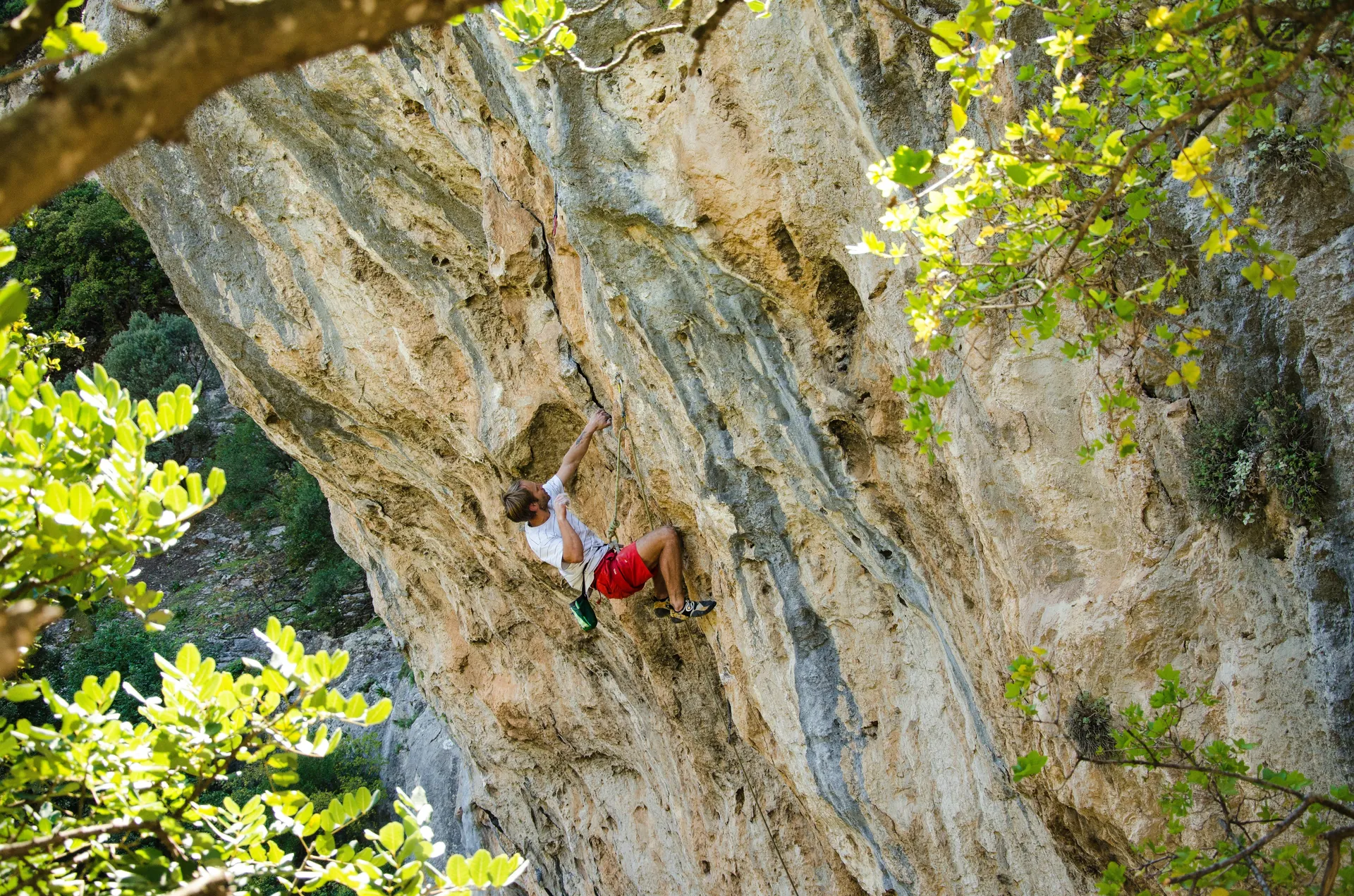
Kalymnos is not just another climbing destination—it's a world-class sport climbing island where you can clip bolts on some of the most distinctive limestone on Earth. After climbing, you’ll cool off while enjoying stunning views of the Aegean Sea. What sets Kalymnos apart is its unmatched route density, incredible geological variety, and a welcoming climbing culture that caters to everyone—from gym climbers to advanced redpointers.
Unlike alpine areas or traditional crags where you hunt for one or two good routes, Kalymnos offers a wealth of high-quality climbs at every sector. You'll have the freedom to tailor your climbing day without compromise.
Limestone styles you'll encounter: slabs, vertical walls, caves, and tufas
Kalymnos boasts solid, top-quality limestone that rewards climbers who can read its texture. You'll encounter three dominant climbing styles, each requiring unique movement patterns and mental approaches:
Sharp grey slabs feature water pockets and crimps, demanding precise footwork and technical sequences—think delicate edge work and finger strength.
Vertical or slightly overhanging white and orange walls provide pockets and smaller tufa features, perfect for practicing powerful pulling and endurance training methods.
The standout style is found on extremely overhanging walls covered in tufa blobs and stalactites. These formations define the Kalymnos climbing experience, offering 3D climbing where you move in multiple directions simultaneously, often with massive voids behind you.
One iconic sector, the Sikati Cave, showcases this climbing style. Its absurdly overhanging rock forces dynamic, pumpy movement and creative techniques like kneebars, underclings, and drop knees. Even the easier tufa climbs, rated around 5.10, require strength, power, and endurance and technical problem-solving, setting limestone apart from gym climbing. The largely unpolished limestone ensures holds remain sharp and textured, helping you develop calluses while mastering the art of reading subtle features.
Route density and grade spread (and why counts vary)
The Kalymnos guidebook lists over 4,500 routes, though the exact count may vary depending on the edition and how routes are categorized. New routes are added regularly, sometimes faster than guidebooks can keep up. But don’t focus on the exact number—what matters is the abundance of high-quality options across virtually every grade.
The grade spread is impressive. You can warm up on enjoyable 5.6 low-angle grey limestone and progress to 5.14d tufas and pockets. This destination caters to climbers of all skill levels, offering everything from beginner-friendly slabs to steep cave tufa climbs. While steep tufa climbing typically starts around 5.11+, there are single-pitch routes for every ability level. Most climbers will find the 6c+ (5.11) grade range to be the sweet spot, as it's well-developed and often the most crowded.
Mostly single-pitch sport, with some multi-pitch options
The majority of climbing in Kalymnos consists of single-pitch sport routes, typically 20 to 30 meters long on bolted walls. This accessibility is part of the island's appeal: you can show up with a partner, pack 15 quickdraws and a 60m rope, and climb all day without worrying about complex logistics or long descents. Sectors like Grande Grotta, Arginonta, and Noufaro are designed to make it easy to move between crags and try multiple routes in a session.
If you’re interested in multi-pitch climbing, options do exist. Fully bolted multi-pitch routes stretch up to 5 pitches, and there’s an adventurous 11-pitch route on the south face of Telendos. However, multi-pitch climbing isn’t the main draw. The true magic of Kalymnos lies in its hard single-pitch routes, allowing climbers to push themselves in caves and on tufas without the planning overhead of alpine climbs. Afterward, you can relax, enjoy local food, and recharge for your next session.
Best time to go: seasons, conditions, and crowd strategy
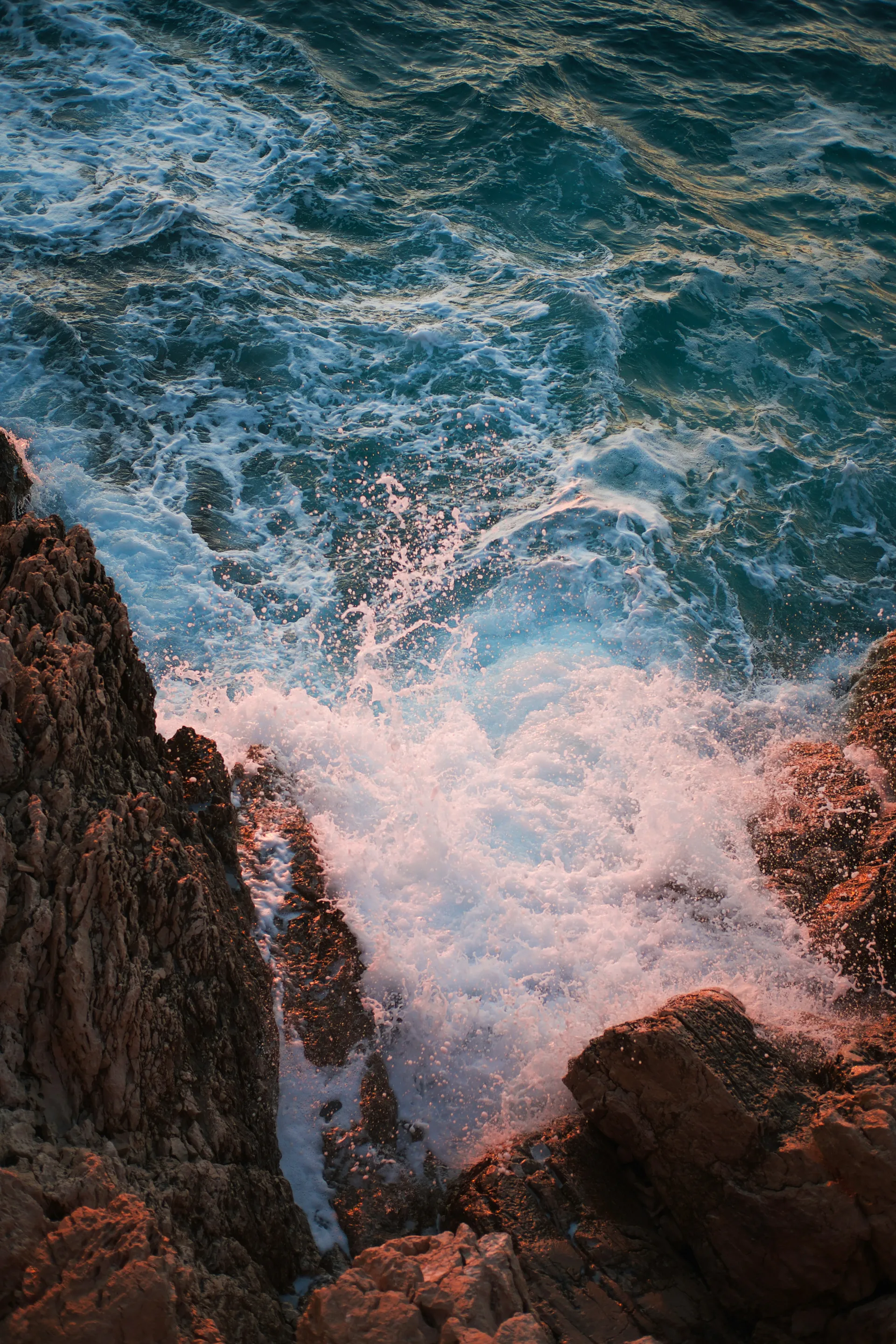
Kalymnos's dry Mediterranean climate ensures that climbing is possible year-round. However, the timing of your climbing trip to Kalymnos can *dramatically* influence your experience. The ideal seasons are autumn and spring, with temperatures comfortably ranging from 60–75°F. During these times, the friction is reliable, and the sea remains inviting for swimming. In summer, you'll need to hunt for shade and start early, while winter offers mild conditions but comes with fewer services and occasional wet rock.
Understanding the seasonal rhythm will help you choose the best time for your trip and avoid crowds if that’s a priority for you.
Spring window: what to expect and how to choose daily sectors
April and May bring conditions almost as favorable as autumn. Temperatures range from the high 50s to mid-70s, and cool ocean breezes keep you *comfortable* on the wall. The rock also dries quickly. However, spring has a slightly higher chance of rain and seeping tufas—wet winters may leave stalactites dripping, making large tufa pockets and cave systems less reliable.
To make the most of spring, plan your climbing strategically. On mornings when you expect seepage or drizzle, head to covered areas like the Sikati Cave, which allows climbing even during rain (avoid thunderstorms). On clear, warmer afternoons, focus on exposed vertical walls and slab terrain that dry quickly.
Spring also sees fewer visitors compared to peak season, so popular spots like Grande Grotta are less crowded. As a bonus, wildflowers bloom during this season, adding a touch of beauty to your hikes to areas like Arginonta Valley or Noufaro.
Fall window: why it's often considered the best overall
October is the *peak season* for good reason. September and October experience almost no rain, with mild temperatures that are perfect for all-day climbing. The sea also stays warm enough for swimming into early November. From mid-October onwards, climbing in direct sunlight becomes enjoyable as the angle of light shifts and afternoon temperatures drop, eliminating summer’s heat stress.
The main drawback of fall is its popularity—October can be *busy*. If you value solitude, consider arriving early in September or visiting in late November when conditions are still excellent but crowds are thinner. Alternatively, explore less-known sectors like Galatiani or the Arginonta area, which offer the same high-quality limestone but with fewer climbers.
Starting early (at dawn or around 7 a.m.) is another great way to beat the crowds and secure your routes before others arrive.
Summer and winter: how to make them work (or when to skip)
Summer often gets a bad reputation, but it’s more climbable than you might think. The meltemi, a northern summer breeze, helps keep the island cooler than mainland Europe. Shaded crags such as Secret Garden and Arginonta Valley enjoy refreshing breezes and remain shaded for most of the day.
The key is to follow a simple strategy: climb in the shade before 11 a.m., take a long lunch and enjoy a swim during midday, then climb again in shaded areas after 4 p.m. Sectors like Odyssey, Afternoon, Spartacus, and Kasteli are ideal for this rhythm. Don’t forget to pack plenty of water, sunscreen, and electrolytes—*hydration is essential* in summer.
Winter, on the other hand, often surprises climbers. Mild, sunny days are frequent, and climbing in a T-shirt on Christmas is entirely possible. However, winter also brings more rain, wind, and seeping rock. Flexibility is key—target south- and west-facing sectors like Arhi that soak up the winter sun.
One downside of winter is the limited availability of restaurants and rental accommodations, especially outside villages like Masouri. If you’re okay with reduced services and can adapt to wet-day plans, winter climbing can be highly rewarding. However, if you prefer predictability and full island infrastructure, winter might not be the best choice for you.
Getting to Kalymnos from the USA: the simplest route and backup plans
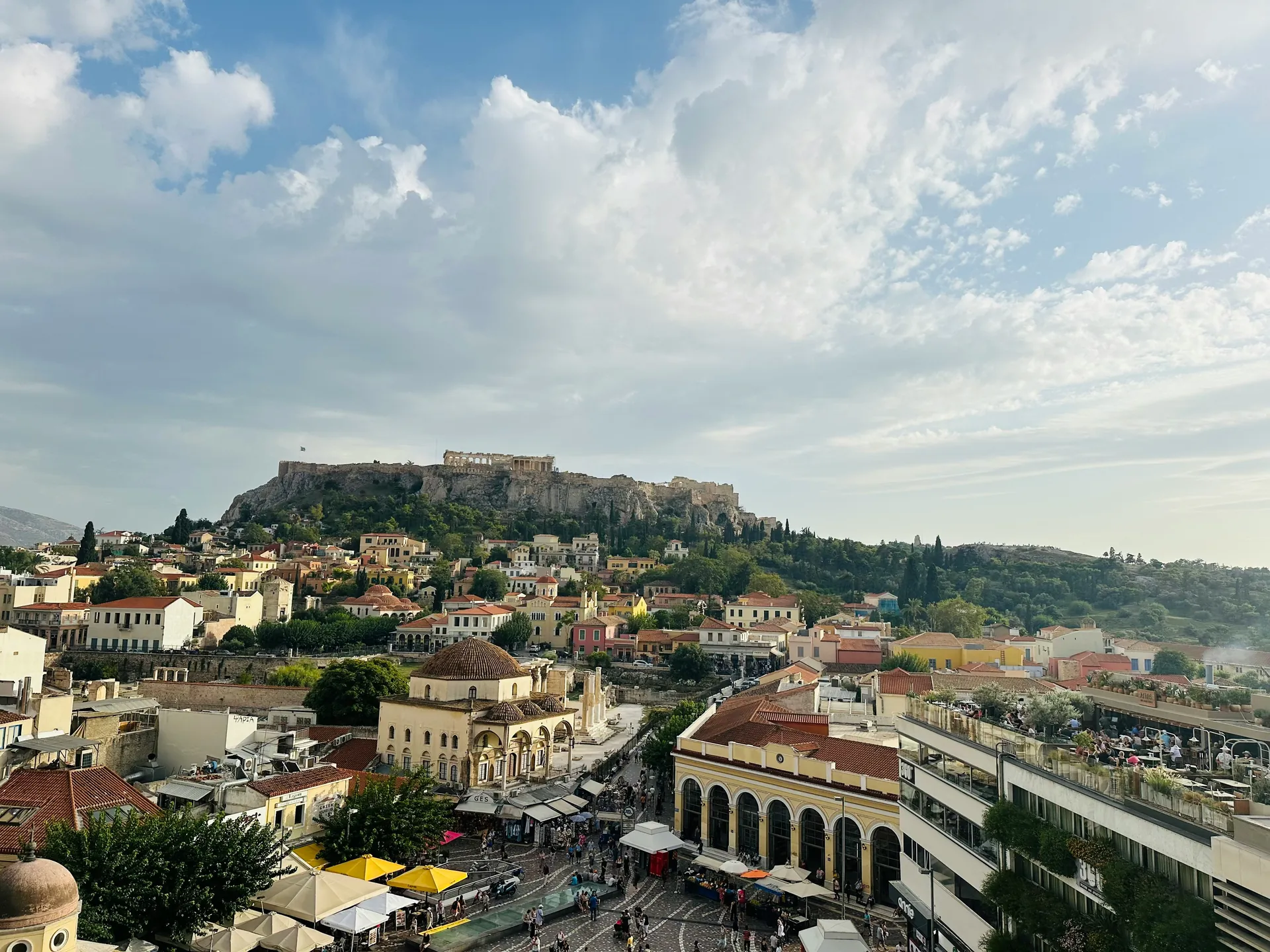
Traveling to Kalymnos from the USA involves at least one or two connections, as there are no direct flights from North America. The good news is that the route is straightforward and reliable if you prepare for potential disruptions.
Most climbers fly into a European hub—commonly Athens or another major city—connect to the Greek island of Kos, and then take a ferry or speedboat to Kalymnos. Round-trip flights from New York typically cost between $800 and $1,500 depending on the season, with fall peak season being more expensive. The entire journey takes about 18–24 hours door-to-door, so plan to lose a full day of climbing upon arrival.
The most common issues affecting travel plans are missed connections, ferry cancellations due to wind, and ferry schedules that may not align with late afternoon flight arrivals.
Standard gateway: Kos → Mastichari → ferry/speedboat → Kalymnos
The typical route starts with a flight from New York (or another US hub) to a European connection—frequently Lufthansa via Frankfurt, British Airways via London, or SWISS via Zurich—landing in Kos Island. From Kos airport, you can rent a car or take a taxi (30–45 minutes) to the port town of Mastichari, located on the north coast. Ferries and speedboats from Mastichari to Kalymnos run regularly, with travel times ranging from 30 minutes to 1.5 hours depending on the vessel.
The speedboat is faster but pricier and weather-dependent, while the car ferry is slower but more reliable.
The critical factor is ferry timing. If you arrive in Kos in the late afternoon, you may miss the last ferry and need to spend the night near Mastichari or Kos town, which will cut into your climbing time.
To avoid this, book flights that land in Kos by mid-morning. This gives you enough time to clear customs, arrange transportation, and catch an early-afternoon ferry. If you miss the last ferry, stay overnight in Kos (there are plenty of hotels available) and take the first ferry the next morning. While you'll lose a climbing day, it avoids unnecessary stress and rushing.
Wind can be unpredictable. The meltemi winds can halt speedboats for hours or even days during the summer. Check ferry schedules the night before your Kos-to-Kalymnos crossing and maintain a flexible mindset. Adding a buffer day to your itinerary—arriving a day before your first planned climbing session—eliminates this stress entirely.
Alternative routing via Athens (and when it's worth it)
Athens (ATH) is another entry point, especially if you find cheaper flights or prefer more departure options from the US. From Athens, you can take a domestic flight or an overnight ferry to Kalymnos. The flight takes about 1 hour, while the ferry takes 12–14 hours. This route trades time for reliability: the Athens-to-Kalymnos flight is weather-independent and arrives mid-afternoon, allowing you to settle into your lodging during daylight hours.
The downside is the higher cost (domestic flights are more expensive than the Kos ferry) and the extra airport transition.
Athens is a good choice if you're planning a multi-week Greek climbing tour (adding destinations like Meteora or other crags) or if your transatlantic flight arrives late, making the Kos connection too tight. For a trip focused solely on Kalymnos, Kos is generally simpler and cheaper.
If you opt for Athens, avoid the overnight ferry—book the flight instead, even if it's more expensive, to avoid arriving exhausted at midnight.
Arrival-day checklist to avoid losing a climbing day
Once you land in Kos or Athens, follow this checklist to ensure your first full climbing day goes smoothly:
Cash and ATM: Greek ATMs are reliable, but withdraw cash as soon as you clear customs. Many small tavernas and rental studios don't accept cards, so cash is essential for fuel, food, and ferry tickets.
Phone and connectivity: Purchase a Greek SIM card at the airport (Vodafone or Cosmote are common) or activate an eSIM before you arrive. Having data is vital for offline maps, weather updates, and climbing topos.
Groceries and provisions: Stop at a supermarket in Mastichari or Kos town (if routing via Athens) to pick up coffee, snacks, electrolytes, and any forgotten toiletries. While Kalymnos villages have shops, they're smaller and more expensive.
Car or scooter rental: Pre-book your vehicle online if possible, or arrange one upon arrival. Check that the vehicle is in good condition, the tank is full, and insurance is included. For longer stays, negotiate better daily rates.
Lodging and first night: Aim to reach your lodging in Masouri or another base village by early evening. This gives you time to unpack, charge devices, and acclimate.
Weather and wind forecast: Review the 3–5 day weather forecast and meltemi predictions using apps or local climbing forums. This helps you plan which climbing sectors to visit and whether you need to prioritize shaded areas.
Offline maps and topos: Download the Kalymnos guidebook app, offline Google Maps, and sector topos (many are available as PDFs) before losing connectivity. The climbing information for Kalymnos is fragmented, so having multiple resources minimizes confusion on approach days.
Confirm gear: If you're renting quickdraws, ropes, or other equipment locally, call the rental shop to confirm availability. Some shops close unexpectedly during the off-season.
By the time you rest on your first evening, you'll be fully prepared to start climbing without any logistical headaches the next morning.
Where to stay: choosing the best base village for climbing
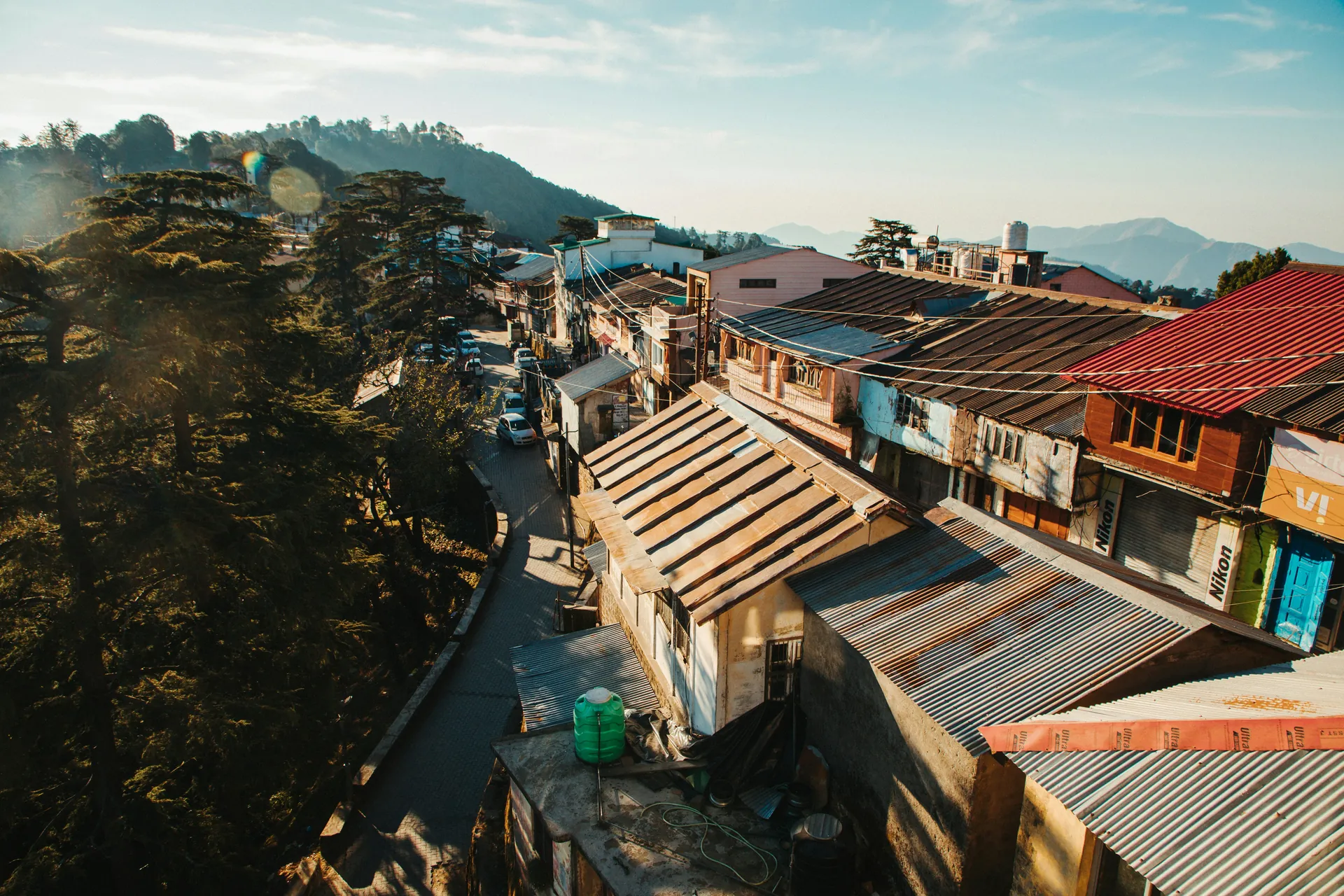
Choosing your base village can significantly shape your daily rhythm. Prioritize walkability to climbing sectors, access to dense crag clusters, and amenities that suit your trip's length and vibe. Masouri, Armeos, and Myrties form the core climber hub, with everything within a 10-minute scooter ride. Meanwhile, quieter spots offer peace and proximity to specific sectors, though they trade off convenience. Consider your group's needs: social scene vs solitude, budget vs luxury, and how much driving you're willing to do.
Masouri / Armeos / Myrties: the climber hub
If you're visiting for the first time, the Masouri/Armeos/Myrties triangle is the unbeatable choice. Located along a 2km stretch on the northwest coast, this area hosts 80% of climbers. Masouri is the main hub, featuring a lively main street packed with supermarkets, bakeries, climbing shops, gear rentals, restaurants, and lodging options ranging from €30/night studios to upscale apartments.
You'll be just steps away from beach crags like Panorama, Spartacus, and Odyssey, with the Grande Grotta only a 5-minute walk away.
Armeos, located just south of Masouri, is even closer to legendary sectors like Grande Grotta and Olympic Wall, making it ideal for minimizing scooter use and walking directly to crags. It offers a quieter atmosphere but still has cafes and basic shops.
Myrties, across the channel on Telendos-connected shores, provides a slightly calmer vibe with cheaper accommodations and easy boat access to Telendos crags like Irox. It's perfect for mixing main-island climbing with island-hopping days. Together, these villages offer the fastest access to the island's highest-density crag cluster, simple daily logistics (groceries and fuel on the way home), and a social scene where climbers bond over souvlaki and beers.
Quieter bases: why you'd choose them and what you trade off
If the hub feels too lively, consider staying in Arginonta, Panormos, Emborios, or Skalia for a more tranquil experience. Arginonta stands out for its beach-valley combination and proximity to beginner slabs and tufas in Arginonta Valley, just a 5-minute walk away. However, you'll need to drive 10–15 minutes to Masouri for dinner or gear.
Panormos, nestled inland among olive groves, is ideal for those focusing on crags like Secret Garden, Symplegades, or Skalia Pillar (grades 6a–7c+ on grey/orange limestone). Local markets are nearby, but you'll be 15–20 minutes away from the main hub.
Emborios, located on the northwest coast, offers total solitude with goats, waves, and remote crags like Kastri and Black Forest. However, longer approaches and 30+ minute drives to other areas require commitment. Skalia provides a nature-focused experience near its pillar, trading off services for peace and quiet.
The tradeoff for staying outside the hub includes more driving time (20–40 minutes daily to prime sectors), fewer evening options (limited tavernas and no late-night shops), and reliance on a scooter or car. This setup is fine for 1–2 weeks but can be exhausting for longer stays.
Booking strategy in peak seasons
October is a busy month, so book accommodations 4–6 months in advance for the hub. Shoulder seasons, such as April/May and late November, allow for 1–2 months of lead time. When booking your studio or apartment, prioritize features like:
- A full kitchen for affordable self-catering.
- Ample storage for ropes, gear, and shoes—dedicated rack space prevents clutter.
- Proximity to the main road (under a 5-minute walk for scooter pickup).
- Private parking, essential for rental vehicles.
Air conditioning is important during summer, while sea views are a nice bonus but secondary to functionality.
Platforms like Booking.com and Airbnb work well, but climber forums often list family-run spots with discounts. Many cater specifically to Kalymnos climbers and offer weekly rates 20–30% lower than daily pricing. Expect to pay €35–60/night per person during peak season and negotiate longer stays down to €25–40.
Check cancellation policies for wind-disrupted travel and read recent reviews for noise levels, cleanliness, and WiFi reliability—climbers need reliable internet for accessing topos and weather updates.
Getting around: scooters, cars, and approach planning

Once you're based in Masouri or nearby, your mobility choices depend on group size, comfort with two-wheeled adventure, weather tolerance, and how far afield you'll roam. Solo or paired climbers often favor scooters for their fun factor, low cost (€10–15/day), and ability to navigate narrow roads. Groups of 3+, families, or those hauling heavy packs usually lean toward cars (€30–50/day) for their safety and space.
Whichever option you choose, familiarize yourself with the island's main north-south road (Masouri to Pothia) and the side loops to climbing sectors. Google Maps works offline once downloaded, making navigation easier.
Scooters: why most climbers rent them (and how to do it safely)
Scooters are the top choice because they're nimble for navigating the island's winding, narrow roads, economical, and allow you to park directly at crag trailheads without searching for space. Rentals are widely available in Masouri—while walk-ins are fine, it's better to pre-book during peak weeks. Expect 125cc automatics that easily handle hills, with daily ranges covering 100+ km without needing refueling.
Safety first: Always wear the provided helmet (it's required by Greek law) and drive defensively—watch out for goats, sheep, and tourists who may wander onto the road unexpectedly. The meltemi wind can be strong and hit exposed riders hard, so grip the handlebars firmly and avoid overloading the scooter. Wind exposure feels more intense at speeds of 40–50 km/h. For carrying gear, securely strap your rope and pack with bungee cords (most rentals include them)—a 70m rope fits diagonally across the seat.
Stay cautious on blind curves and downhill stretches; locals often pass aggressively, so pull to the right when it's safe. Most accidents happen due to overconfidence or inexperience—ride smoothly, adhere to speed limits (50 km/h for roads, 30 km/h in villages), and you'll enjoy the freedom scooters provide.
Cars: when they're the better option
Cars are ideal for groups (you can split the €40/day cost across 4 people), rainy days (offering a dry interior and wipers), or when carrying crashpads, multiple ropes, or family gear. While manual transmissions dominate, they're forgiving on Kalymnos's gentle grades. Cars are also the better choice for longer trips to remote spots like Emborios or Kastri (30–40 minutes each way), bad weather (heated seats beat wet scooter rides), or if anyone in your group is uncomfortable with two-wheeled vehicles.
Tradeoffs: Cars come with higher fuel costs (€1.80/liter), trickier parking at crowded trailheads, and less of an "immersive" island feel. Non-EU drivers technically need an International Driving Permit along with their license. While rental agencies rarely check, it's best to have it to avoid potential hassles.
Automatics are available, but they need to be booked early and typically cost €60+/day.
Approaches: heat, steep paths, and footwear that actually helps
Most approaches involve 5–20 minutes of rocky, steep goat paths. These are manageable but can be demanding in midday heat or with a full pack. Carry 2–3 liters of water per person (refill at sectors when possible), start hikes early (before 10 a.m.), and pace yourself to prevent early fatigue. The sun is intense—wear hats, long sleeves, and sunscreen, especially on exposed scrambles.
Footwear matters: Flip-flops are fine for flat beach walks to Grande Grotta, but for loose scree, boulders, and steep scrambles to spots like Arhi or Summertime Big Shadow, switch to approach shoes or sturdy trail runners. These provide better traction and help prevent twisted ankles or slipping on polished marble sections. Too many climbers end up hobbling back in inadequate footwear. For navigation, download sector-specific GPX tracks from apps—cairns help guide the way, but paths can fork and become confusing.
Descend carefully—repetitive downhikes can quickly lead to knee strain.
How Kalymnos is organized: areas, sector selection, and daily planning
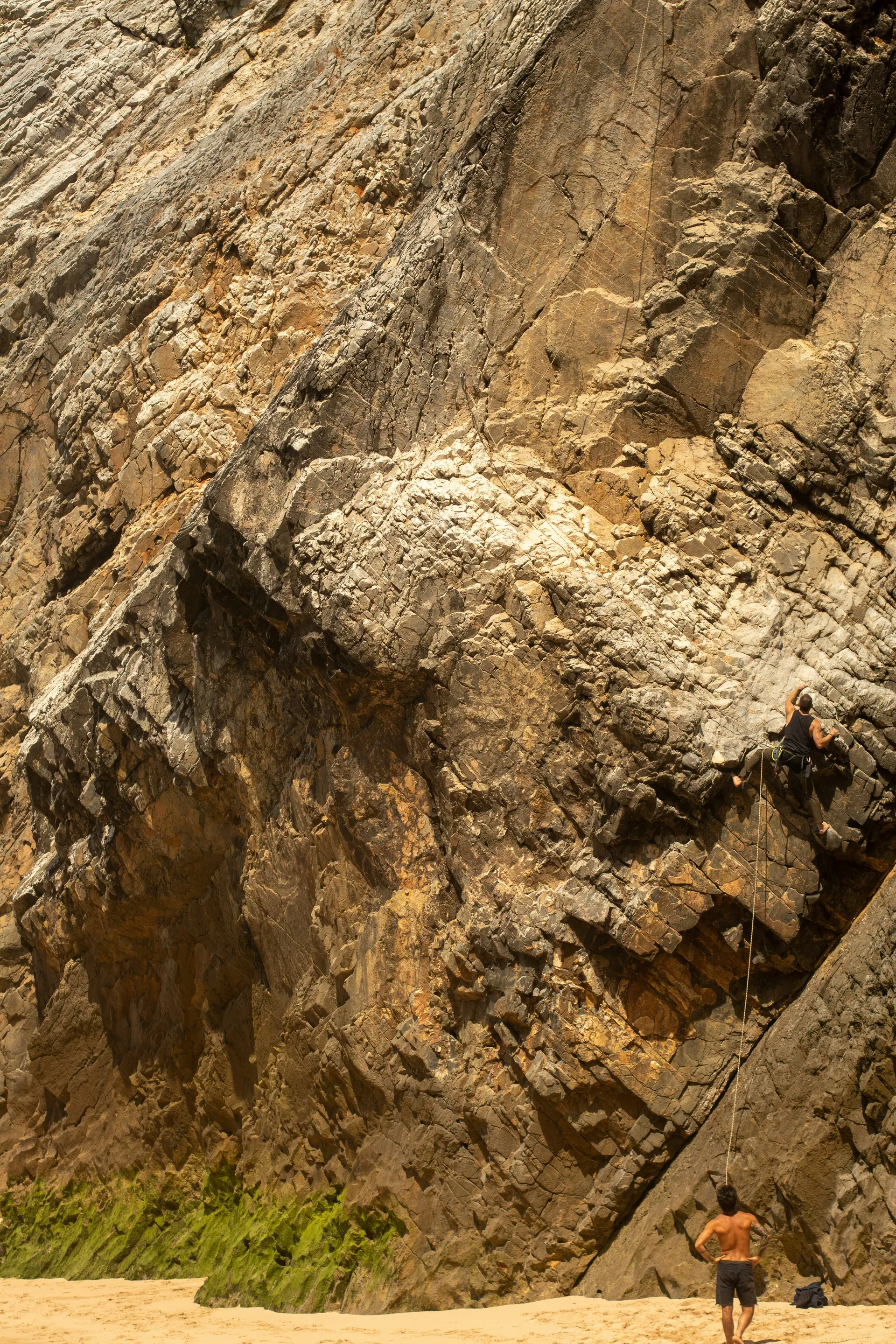
Kalymnos organizes its approximately 70 climbing sectors into loose geographical clusters instead of rigid zones. Your daily planning method depends on matching weather conditions, desired climbing style, grade range, approach ease, and crowd tolerance. Begin each morning by checking the weather app for temperature, wind direction (north winds, or meltemi, help cool exposed walls), and sun position. Then cross-reference your Kalymnos guidebook or app for specific sector details.
Plan based on your goals: Are you aiming for technical slabs in cool mornings or steep tufas for endurance climbs?
Beginners might prefer gym-like routes in Arginonta Valley, while climbers chasing grades of 7b+ will gravitate towards cave systems. Finally, consider logistics: opt for short approaches on hot days and longer hikes for solitude.
This framework transforms random cragging into efficient, goal-driven sessions.
The central cluster above the main villages
The heart of Kalymnos lies in a compact cluster above Masouri, Armeos, and Myrties. This area boasts 20+ classic climbing sectors within a 10-minute scooter ride, making it ideal for first-time visitors. It maximizes climbing time while minimizing travel. The central cluster offers the island's signature mix of climbing experiences: beach-adjacent walls like Panorama and Spartacus for morning warm-ups, the Grande Grotta panorama for mid-day cave climbs, Olympic Wall for vertical endurance, and Afternoon Grande Grotta for shaded late-day sessions.
Access is effortless—park at trailheads and hike just 2–10 minutes to walls featuring slabs, pockets, and overhangs across all grades. While crowds peak in October, the abundance of routes ensures minimal waiting times. This area is perfect for testing various climbing styles without needing to reposition. New additions, like fresh bolts in Arginonta, keep the climbing experience exciting and fresh.
Outlying zones for variety and fewer crowds
Exploring beyond the central hub unlocks stylistic variety, microclimates, and more breathing room—perfect for longer trips or avoiding the buzz of the central sectors. Northeast zones like Arhi (offering pocket slabs with morning sun), Summertime Big Shadow (ideal for shaded endurance climbs), and Iliada Climbers Nest provide technical grey limestone that stays cooler on breezy days, less affected by north winds.
Heading south toward Gerakios Main brings juggy walls and fewer crowds near road-side food spots.
Plan these outlying zones as 1–2 day rotations: scout GPX tracks the evening before, pack extra snacks for the isolated approaches, and time your climbs for afternoon shade where possible. The payoff includes pristine lines (recent rebolts like Pita-Rita or Drill), different hold styles (less tufa, more crimps), and the thrill of discovery. These zones elevate your trip from popular classics to a full-island climbing adventure.
Telendos as an optional add-on day
Telendos, a tiny islet just 10 minutes by water taxi from Myrties, features around 10 unique climbing sectors. With steeper caves, sea views, and fewer climbers, it offers a low-effort day trip for variety without disrupting your main-island climbing schedule. Plan simply: take the 9 a.m. boat (€3–5 round-trip, running hourly until evening), land at the beach base, and start with nearby Irox Main for juggy warmups like White Rose (an impressive 5.10) or Anastasia (a technical challenge).
By midday, transition to Grande Grotta-style overhangs or pocket walls. End your day with beach recovery before catching the last boat back. Telendos is beginner-friendly yet challenging, with approaches under 15 minutes—ideal after a week of mainland tufas or as a rest-day sampler.
No scooter is needed; just boat fare and climbing topos.
Iconic Sectors and What Each is Best For
Think of this as your field guide to Kalymnos's marquee sectors. Each sector shines for specific styles, grades, and conditions. Match them to your strengths and the day's forecast to create memorable climbing sessions. Common pitfalls to avoid: underestimating pump on steep lines (bring extra draws for spacing), ignoring sun progression (shade times shift hourly), and poor beta reading (snap photos of cruxes from the ground).
Grande Grotta: The Headline Tufa Amphitheater
This massive cave amphitheater delivers Kalymnos's signature steep tufa endurance test. Routes like DNA (7a+/5.12a), Priapos (7c/5.12d), and Cigarillo (7a) meander 30–40m through blob jugs and stalactite rails, demanding body tension and creative knee-torquing rests. It’s perfect for intermediate-to-advanced climbers chasing pumpy 6c+ to 8a projects who thrive on 3D movement. Beginners can warm up on Happy Girlfriend (6a) inside the cave.
Best time to climb is mid-morning after warming up elsewhere—shade lasts till early afternoon, but the meltemi winds cool the exposure. Crowds peak from 11 a.m.–3 p.m., so arrive by 9 a.m. for prime lines. Pro tip: The final hard clips can feel exposed. Use extended draws to prevent rope drag on the meandering paths. Bring 16–18 quickdraws for these 40m beasts.
Panorama / Odyssey-Style Walls: Sustained Steep Sport Climbing
These beachside walls specialize in relentlessly overhanging pocket pulls and tufa snakes. Picture 25–30m endurance marathons like Trela (6c/5.11b) at Ghost Kitchen or the Panorama tufa 5.10s that pump both arms and core. Ideal for 5.11–5.13 climbers building power-endurance; the sustained angle trains clipping under fatigue.
Climb in the morning gold before 11 a.m. (morning shade), transitioning to afternoon sun. Pace yourself deliberately, focus on smooth clipping (avoid short draws on bulges), and manage pump with tufa thigh clamps. Watch out for: rope drag on wandering lines—use double-length draws on early bolts. Bail early if dehydration hits, as the proximity to the sea might tempt overconfidence.
Poets / Zeus-Style Sectors: Variety and Classics
Hub-adjacent staples like Poets and Zeus offer a mix of angles and holds, perfect for high-mileage days. Expect vertical pockets to mild overhangs in the 5.10–5.12 range, with juggy classics that reward technique over brute force. These sectors suit mixed-ability pairs aiming for 6–10 routes daily, blending slabs, walls, and short roofs for balanced sessions.
These sectors are versatile all day, with efficient 5-minute approaches. Focus on technical bits in the morning and tackle steeper routes in the afternoon as you warm up. Be cautious: clustered bolts can make route-finding tricky (double-check topos), and polished lower sections require aggressive smearing. These areas are great for volume without burnout.
Sikati-Type Caves: Advanced Steep Climbing Expectations
Sectors like Sikati Cave take steep climbing to absurd levels. Massive holes are lined with 6b–8c routes like Lolita (7a), featuring tufa blobs and stalactites that test power-endurance, precise kneebar locks, and dynamic moves between holds. Best suited for strong 5.12+ climbers, but be aware that the steepness makes grades feel 1–2 levels harder compared to vertical walls, especially for limestone newcomers.
Shade all day makes it viable even in summer. Hit these routes post-warmup for maximum crux power. Key tips: no-hands rests are scarce, so milk every tufa pinch. Forearm burnout is common due to constant tension—chalk up religiously. Flashing these routes feels heroic, but successful onsighting demands prior cave experience.
Beginner-friendly and mid-grade sectors near the hub
Arhi Main Left, featuring routes like Syriza (5b jugfest), offers grades ranging from 4c to 6a. Similarly, the Afternoon sector provides 5c to 6a slabs with shade lasting until 4 p.m. These sectors prioritize short approaches, a wide selection of easy lines, and simple rappels, making them perfect for beginners or groups climbing in the 5.8 to 5.11 range looking to build confidence.
On Telendos, the Irox Main sector stands out with routes like White Rose (an impressive 5.10) and Anastasia, which serves as a technical warm-up option.
For shade, visit Arhi in the morning until noon, or enjoy a full day at the Afternoon sector. However, be mindful of a few pitfalls: the final bolts at Afternoon can be tricky—remember to extend your draws. Additionally, walls may seep after rain, so it's best to opt for dry routes. On the bright side, descents are straightforward with easy-to-use chains, helping to minimize any intimidation for climbers.
Route selection: how to build great climbing days (not random cragging)
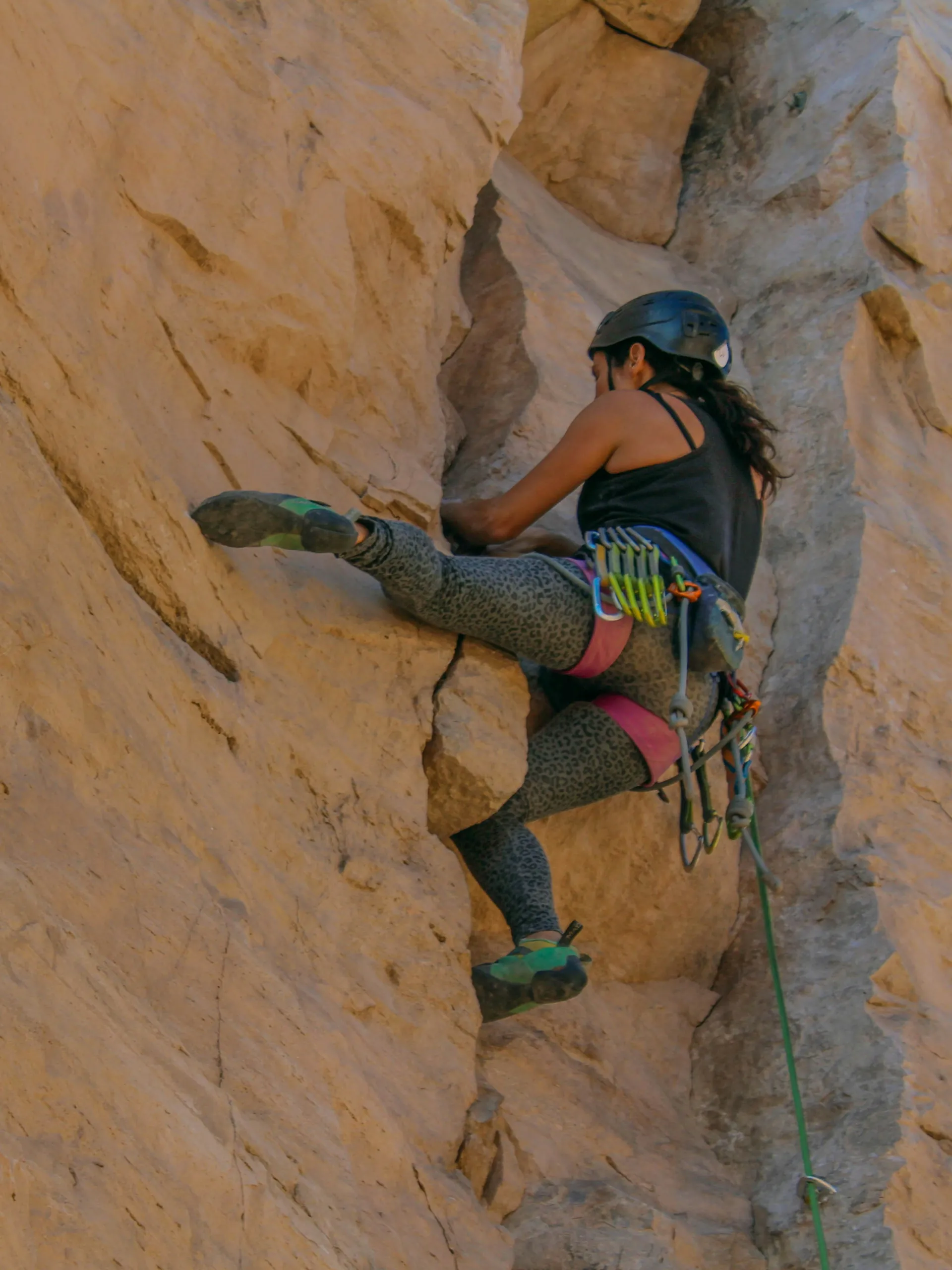
The difference between a mediocre climbing trip and a transformative one often hinges on intentional route selection rather than simply wandering to famous spots and hoping for the best. Smart trip planning mirrors how strong guidebook authors organize crags: shortlist 8–12 routes per day across warm-ups, volume, and a realistic project. Then adapt hourly to shade, wind, and crowd flow. This framework ensures you climb hard routes when fresh, build mileage without burnout, and save mental energy for problem-solving when plans shift.
Build a short ticklist by grade band and style
Each morning, aim for a simple structure: 2–3 warm-up routes (2–3 grades below your redpoint level), 4–6 volume routes at or just below redpoint, and 1 project-grade line if conditions align. This approach helps you stack wins early (confidence and blood flow), build endurance and reading skills through mileage, and preserve mental freshness for harder attempts. For instance, a 5.12a climber might warm up on Fun de Chichunne (5.10a) at Arginonta Valley, flow through 5.11c jugfests at Odyssey, and then project Aegialis (8a/5.13b) before pumping out.
Rotate styles daily to spread fatigue: vertical slab work one day, steep tufa endurance the next, then pockets or juggy walls. This rotation prevents repetitive strain and keeps your mind engaged with different movement styles. Use your Kalymnos guidebook or the 27 Crags app to pre-sort routes by grade, style (tufa/slab/pocket), and sector, then cross-reference with current conditions.
A printed or phone-stored "day plan" is far more effective than aimless wandering—you'll climb more and rest smarter.
Plan around long pitches and descent systems
Routes longer than 30m change the logistical game. A 70m rope stretches on 40m pitches, requiring careful clipping rhythm and occasional downclimbs from the first bolt to avoid rope-end drama. Always bring a 70m rope at minimum (a 60m rope limits you to shorter routes and creates constant anxiety).
For 40m routes, guidebooks recommend 20–22 quickdraws; for 30m routes, 15–17. As a rule of thumb, use one draw per 2 meters.
Descent systems matter: lowering off a single anchor works for most sport routes, but some require rappelling or downclimbing. Confirm anchor types in your guidebook—bolted lowering anchors are standard, but old-school slings may require additional hardware. On longer pitches, position your belayer where they can see anchors clearly and communicate calmly; long routes demand precision, not speed.
Regular partner checks ("Belay on?" / "Belay is on") prevent mistakes that could cost you precious climbing days.
Common Kalymnos mistakes that cost days
Chasing only famous sectors: Spending your first three days at Grande Grotta and Odyssey because they're iconic wastes novelty and overlooks hidden gems like Arginonta Canyon, which offers excellent 6a–6b mixed routes, shade, and fewer crowds. Scout lesser-known zones early; you'll discover personal favorites and avoid peak-time pile-ups.
Underestimating steepness and grade stiffness: Kalymnos tufa routes are graded 1–2 levels harder than vertical gym routes with the same letter grade. A 5.12a climber projecting at home might flash 5.11d here but struggle on 5.12a tufas with marginal rests. Bring a humble mindset; onsighting steep routes often leads to blown attempts and fatigue.
Ignoring shade and wind: Climbing Panorama or Odyssey at noon in July drains your energy and motivation. Plan for shade-facing sectors like Arginonta Canyon during midday heat. Note that morning-sun walls like Iliada warm faster on cool spring days. Meltemi winds expose you on beachside crags, so retreat to interior valleys like Arginonta or sheltered Sikati on windy afternoons.
Over-climbing early in the trip: Arriving Monday and projecting hard 7a+ tufa routes every day through Friday guarantees a Saturday zombie-climb and wasted potential. Pace yourself: moderate effort days 1–3, intensity days 4–5, then reassess. Building volume early helps you learn the rock; hard sends come naturally mid-trip when you've absorbed the nuances.
Gear for Kalymnos: what to bring for long sport routes on limestone
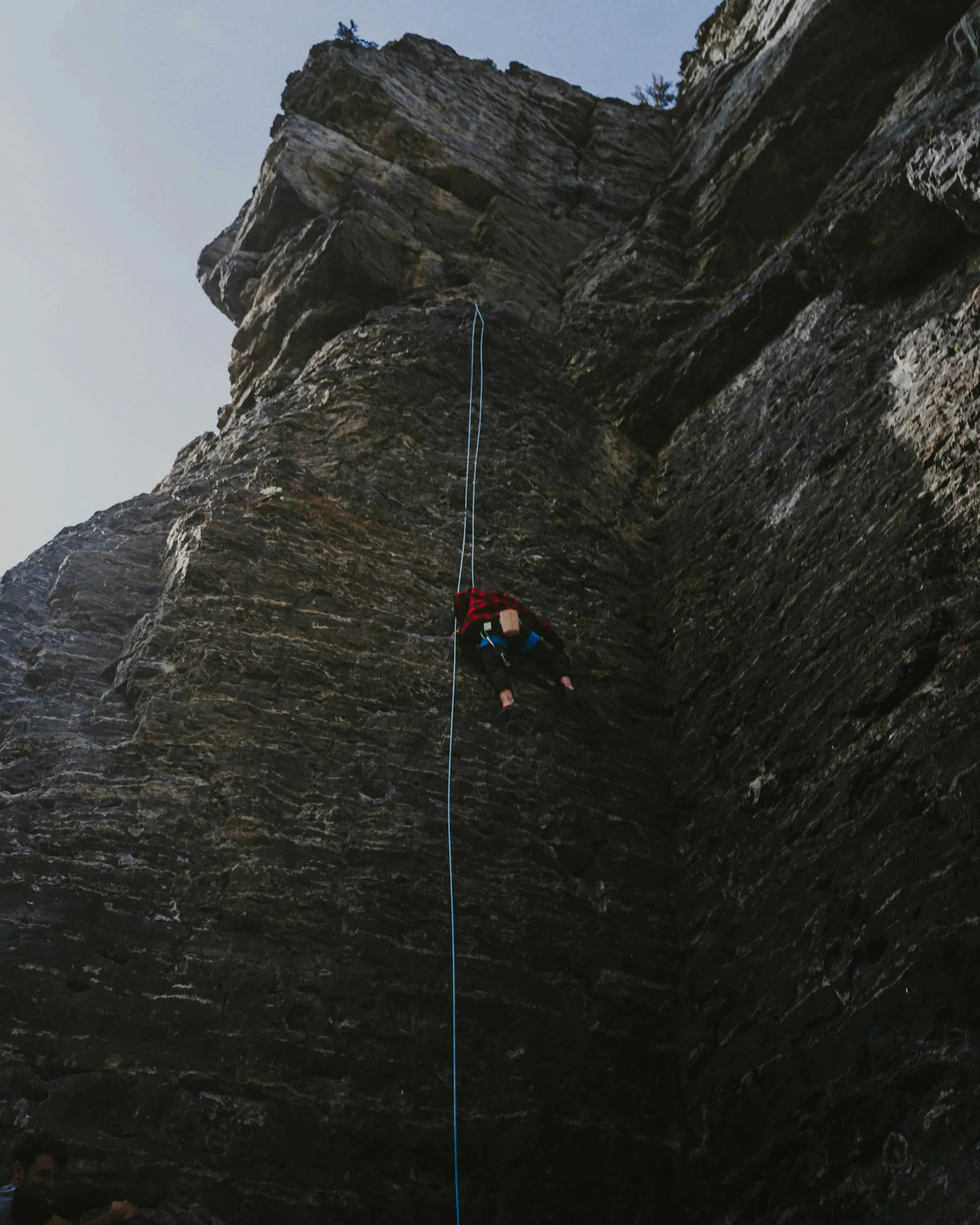
Kalymnos climbing requires gear tailored for 30–40m pitches, steep cave exposure, and frequent shifts between sun and wind. You'll also encounter shared anchors at popular routes, so packing light but smart is key. Prepare for extended hangs, managing rope drag, and dealing with limestone grit. Beyond the basics (harness, belay device, chalk bag), include abrasion-resistant gear to protect against limestone wear and tear, and extensions for weaving lines effectively. While local shops offer rentals, bringing your own ensures a better fit and familiarity.
Rope length strategy for Kalymnos
Many routes reach 35–40m, making a 60m rope insufficient—it can leave you stranded mid-pitch or cause awkward lowers. Opt for a 70m rope at minimum, with an 80m rope being ideal for full access without stress. Always verify route lengths using a guidebook or app before climbing, as "30m" routes often measure 35m or more.
Be diligent about knotting the rope ends—Kalymnos's variable lengths have led to accidents. A rope with a thin 9.2mm diameter strikes a balance between weight and durability for frequent lowering.
Quickdraw count and extensions
Prepare for 12–20 quickdraws per route due to dense bolting and longer pitches. A set of 15 quickdraws covers most routes, while 20–22 ensures drag-free climbing on intricate tufa zigzags. Mix shorter draws for direct clips with 3–4 medium or alpine extensions (12–18cm) to minimize rope drag on recessed bolts and wandering cruxes. Double-draw crux sections to prevent rope twist and make clipping easier, especially on busy classics where belayers may not assist.
Shoes and chalk: matching gear to styles (vertical vs steep tufas)
The abrasive limestone in Kalymnos quickly wears down skin, so bring two pairs of climbing shoes. Choose a comfortable edging model (like Butora Endeavor) for slabs and vertical pocket climbs that require precision. For steep tufa routes, opt for aggressive downturned slippers such as SCARPA Instinct VS/VSR, which excel in toe power and smearing. Feet tend to swell during long hangs in the heat, so consider sizing up the aggressive pair by half a size and swapping to the comfortable pair for longer climbing days.
Use chalk liberally—tufa sweat can make holds slippery. Block or ball chalk performs better than loose powder in humid sea air conditions. For skin management, tape split tips before climbing, apply climbing salve nightly, and rotate shoes to extend their lifespan. Limestone's abrasive nature dulls rubber quickly.
Small items that matter: helmet, kneepads, wind layer, water capacity
A helmet is essential for protecting belayers from falling rocks, flakes in crowded sectors, or stuck draws at height—it's non-negotiable, even if leaders skip it. Kneepads significantly improve performance on tufa kneebars and thigh jams, turning pump into rest. Gel models are compact and fit easily into packs for cave climbing days.
A lightweight wind layer (fleece or softshell) is essential for countering the meltemi winds during exposed belays or chilly mornings. Opt for packable, quick-drying options to stay warm without adding bulk. Hydration is critical—carry at least 3L of water using a bladder and bottles, as sun and wind can dehydrate you quickly during long approaches. Refills may not always be available nearby. Include tape, a headlamp, locking carabiners (4–6), and a PAS for anchor work or retrieving stuck draws.
Guidebooks, apps, and staying current on info and hardware
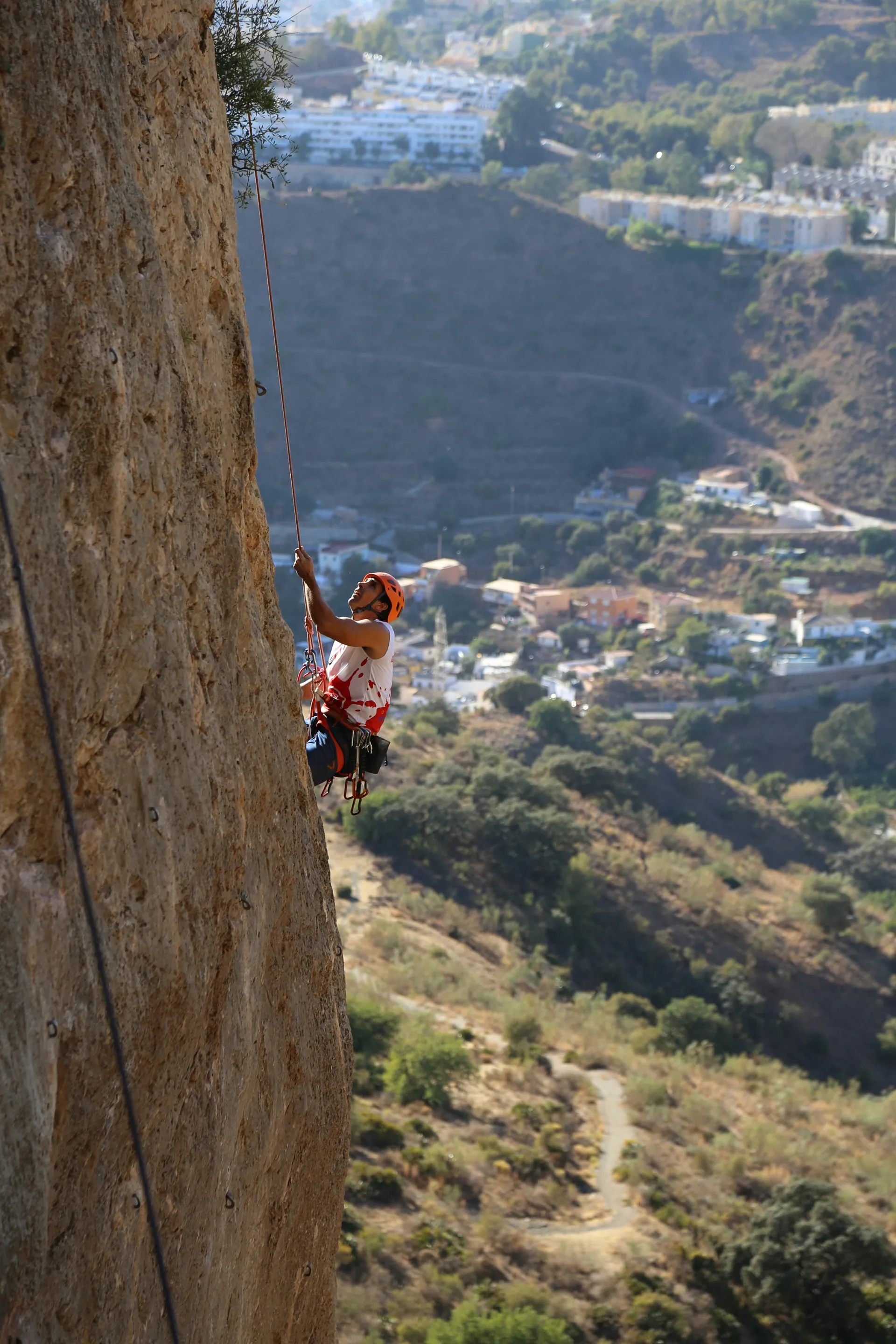
Kalymnos's route ecosystem is constantly evolving—new bolts are added, anchors are rebuilt, and sectors may close seasonally. Staying informed is essential for ensuring efficient trips and avoiding frustrating detours. The island benefits from an active local guidebook tradition authored by Aris Theodoropoulos and Katie Roussos. This is complemented by digital apps and community databases that provide real-time beta. Smart climbers use multiple sources: a comprehensive guidebook, a live app, and quick forum checks before heading out.
Choosing guidebook format: comprehensive local topo vs selective photo-topo
The current Kalymnos guidebook (2025 edition) by Aris Theodoropoulos and Katie Roussos is a thorough resource, spanning 600 pages and detailing over 3,800 routes with GPS coordinates. It’s the most complete reference for systematic crag planning. Earlier editions by Chris Craggs offered selective coverage (2,800 routes) with stunning photography—making them leaner and easier to browse during rest days. The tradeoff: comprehensive guides cover obscure sectors and newer bolts, while selective guides focus on famous classics and are faster to read.
Many climbers combine both formats: they pack the lighter selective guide or rely on the app for daily use, then reference the comprehensive guidebook back at their lodging for next-day planning and sector-wide context. The 2025 edition is published by Vertical-Life in English, A5 format (pocketable), and includes a digital Vertical-Life app code. Ensure your edition is current, as older app codes won’t unlock updated topos.
Using route databases intelligently (without over-planning)
The Vertical-Life app (free core version, premium for offline access) syncs with 27 Crags and theCrag community database, allowing you to filter routes by grade, style, and sector before arriving. This feature is invaluable for shortlisting routes for the day. For example, you can search "Arginonta Valley" or "Sikati Cave" to preview photo-topos, read ascent comments, and assess crowd levels. However, avoid over-planning; conditions can change hourly, and rigid itineraries may fail when the wind shifts or if you're stronger than expected.
Instead, use databases to create a flexible shortlist (10–15 routes per sector, with mixed grades) and make real-time decisions at the crag. Evaluate conditions like shade, wind, and partner mood rather than sticking to preset plans. Community comments such as "lots of seeping after rain" or "crowded on Saturdays" are extremely valuable—prioritize feedback from the last 2–3 months over older beta.
Updates, rebolting notes, and temporary access issues
Kalymnos undergoes regular rebolting and anchor upgrades. The 2025 guidebook includes approximately 1,400 new routes compared to the 2019 edition, reflecting years of bolting work. Use the Vertical-Life app's "what's new" section and check Kalymnos climbing community forums (e.g., Reddit r/climbing, UKClimbing forums) before your trip for sector-specific updates, such as recent anchor replacements, fixed hardware changes, or seasonal closures.
Be aware that some older anchors still use non-standard slings; confirm the descent type in the app before clipping in, especially for longer routes. Occasionally, sectors may close due to rockfall cleanup or local events—posting in forums a week before arrival with questions like "anything I should know?" can provide helpful insights.
Note that the Vertical-Life app’s reliability can be affected in areas without WiFi, as reported by users. To avoid issues, screenshot key topos or print critical sectors before heading into remote zones. Incorporate a quick pre-dawn routine: check the weather, scan app comments for overnight updates, and adjust your day’s shortlist. This simple habit can prevent mid-approach surprises, like discovering a route is temporarily closed.
Safety and local etiquette: what matters specifically on Kalymnos
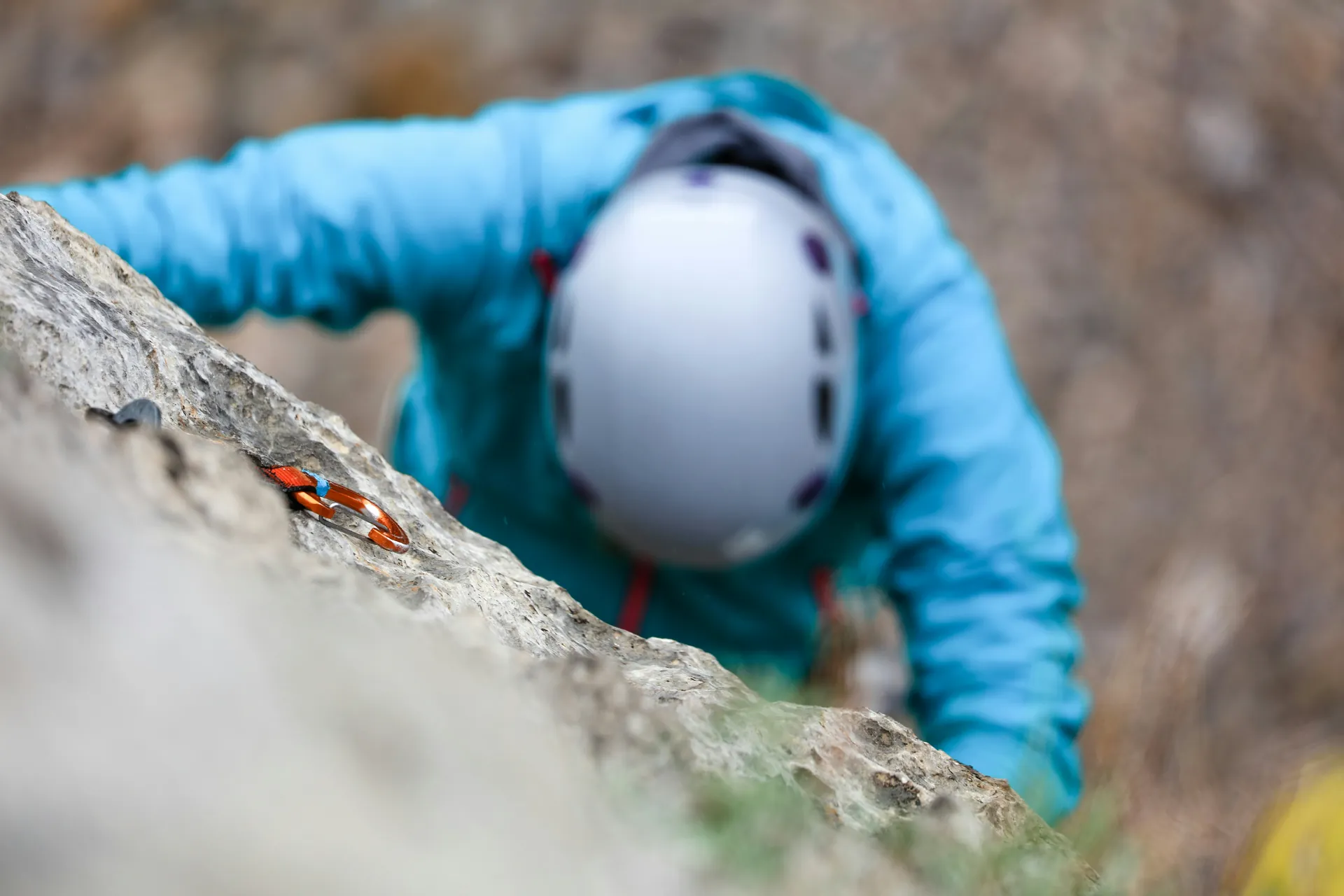
Kalymnos's risk profile highlights several unique challenges, including heat exhaustion on sunny approaches, loose rocks dislodged by goats, tricky long-pitch descents at crowded anchors, and steep trails requiring sure footing. These risks are less about leader falls and more about environmental and procedural errors. Developing actionable habits such as partner checks, proper positioning, and environmental awareness can prevent most incidents. Local rescuers emphasize these practices in safety videos.
Partner checks and long-route habits
Before starting any climb, conduct verbal checks like: "knot tied?", "belay ready?", and "rope threaded correctly?". These are critical on long pitches where miscommunications can lead to amplified risks. For lowering, ensure the rope is doubly backed up through two-ring anchors—clip both rings and thread according to guidebook diagrams to avoid fatal twists. Signal "off belay" only after visually confirming safety. On steep terrain, use clear calls like "clipping!" or "take!" to communicate effectively over wind. Belayers should stay close to the wall and wear proper shoes—not sandals—to prevent secondary falls.
Rockfall and approach safety
Goats freely roam above many climbing sectors, often kicking loose rocks without warning. Even on calm, dry days, football-sized chunks can fall unexpectedly. Space out at belay stances, preferring underhangs and shaded or recessed spots away from obvious fall lines. Always wear a helmet when belaying in goat zones or on busy classics. On approaches, move single-file uphill with adequate distance between climbers. Test holds before applying weight, and descend facing outward on steep scrambles. Remember, heat amplifies slips—hydrate early to stay safe.
Access etiquette: gates, trails, and respecting the island
Local residents maintain access through private land, so always close gates behind you to contain livestock. Stick to established trails, as braiding paths damages fragile soil. Keep voices low near homes, especially during early mornings. Pack out all trash since there are no bins at crags, and avoid chalking anchors or spilling powder. At crowded sectors, yield routes graciously and wait your turn rather than queuing. Support the local community by eating at local establishments, respecting no-climbing signs during nesting seasons, and tipping rescuers if called upon—donations help fund essential gear.
Local services: rentals, shops, and instruction
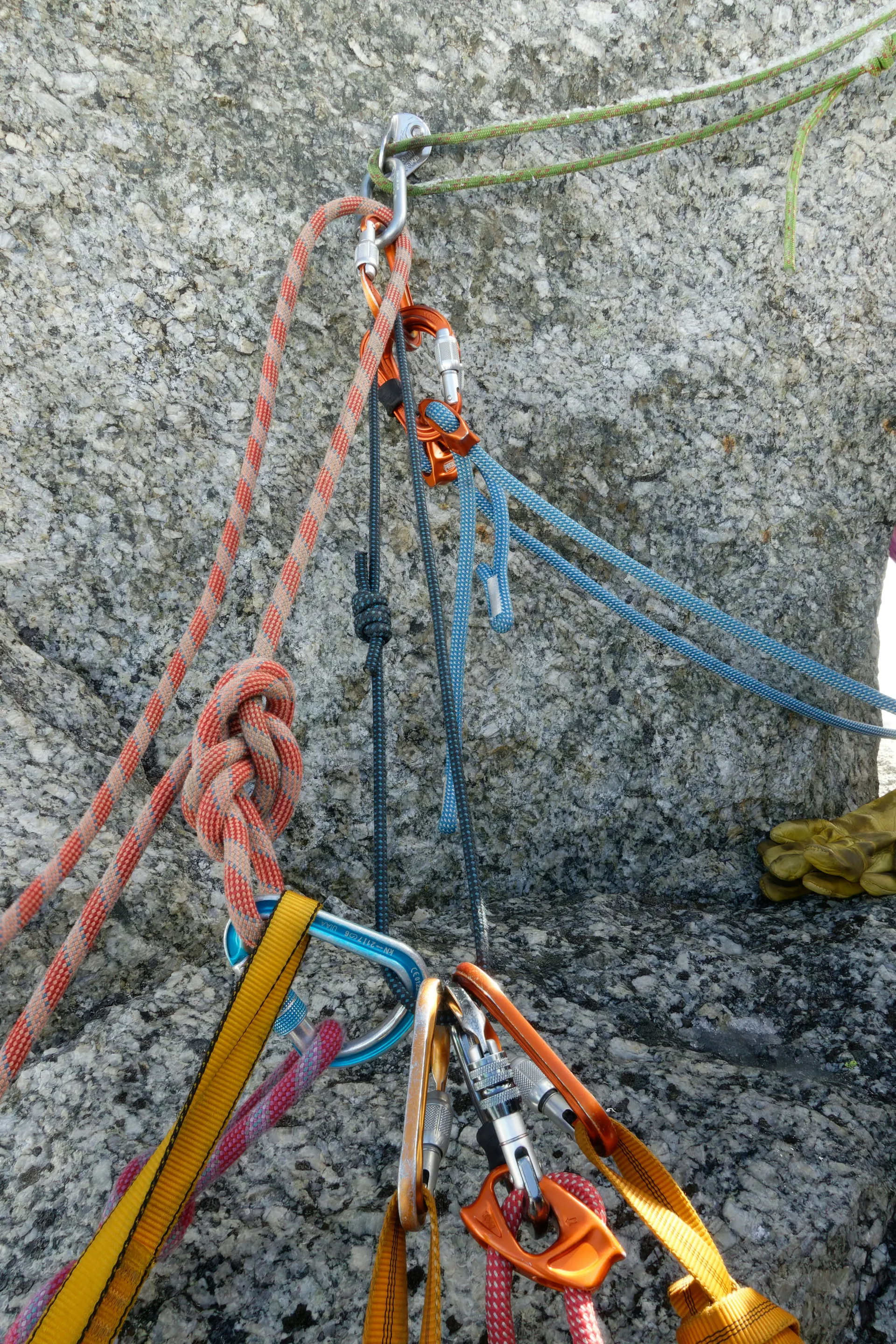
Island shops such as Radosport, ClimbRock, Wild Sport, and La Sportiva/Mammut specialists are perfect for filling gear gaps without the hassle of shipping delays. Prices are typically 10–20% higher than mainland costs but are more affordable than airport markups. These shops also offer a wide selection of shoe brands to cater to various needs. Rentals are ideal for short trips, guiding services help bridge skill gaps, and daily markets ensure sustainable provisions for multi-week stays.
What's worth renting vs packing
Rentals are best for bulky or heavy items that airlines often penalize, such as helmets, shoes, and chalk bags. These items are available at multiple Masouri shops for €5–10/day, making them perfect for short trips under 10 days or for budget-conscious travelers avoiding checked baggage fees. However, ropes and quickdraws are not reliably available—local shops have confirmed there are no rope rentals—so be sure to pack these items along with your harness and belay device to ensure quality and fit.
Short-trip solo travelers or couples benefit the most from renting gear on arrival and returning it before departure, saving 5–10kg in luggage weight. For longer stays or group trips, pack your essential gear and rent additional items like crash pads or spare shoes in case of breakage. Maillons, priced at €2–3, are an inexpensive and useful purchase locally for bailouts.
Guiding and coaching: who it's for and what you'll learn
Local guides are excellent for those tackling their first outdoor sport leads, learning anchor setups, or clipping under tension. They are also ideal for multi-pitch days involving rare island classics or for mastering tufa-specific movements like kneebars and tufa reading. Novices or climbers transitioning from indoor to outdoor climbing can gain confidence quickly, while experienced climbers can benefit from efficient projecting or exploring obscure sectors.
Expect small-group or 1:1 rates ranging from €100–150/day, where you'll learn about the nuances of Kalymnos limestone. Sessions cover efficient beta, wind-adjusted pacing, and local access tips. You can book these services through ClimbKalymnos.com or via shop referrals. Half-day sessions are a great option for project-focused days.
Daily logistics: food, water, and the local climbing rhythm
Plan your days for maximum performance: Start with coffee or supermarket yogurt from Masouri shops around 7–8 a.m., climb in shaded areas until 11 a.m., and take a siesta from 12–3 p.m., which can include a beach swim or grocery shopping. Resume climbing in shaded areas from 4–7 p.m., and wrap up the day at tavernas by 8 p.m.
Climbing nutrition is key—drink at least 4 liters daily, with bulk water available at minimarts for €0.50/L. Snack on nuts and fruit mid-session to maintain energy levels, and avoid heavy lunches to prevent afternoon slumps. Markets are open from 8 a.m.–9 p.m., allowing you to stock self-catering kitchens for meals costing €5–7/day. For quick returns, road street food like gyros (€3) offers a convenient option. Beach tavernas align well with the climbing rhythm, helping you recover and plan for the next day's sectors.
Conclusion
Kalymnos offers world-class sport climbing on stunning tufa limestone. For the best experience, prioritize visiting in the fall (October) when the temperatures are ideal. Base yourself in Masouri for convenient access to climbing hubs, and rent scooters to enhance your mobility across the island. Don't forget to pack a 70m rope and 18 quickdraws to tackle the island's long and challenging pitches. Use guidebook apps to plan your climbing days, factoring in shade and wind conditions for maximum comfort.
Explore iconic climbing spots like the Grande Grotta, known for its breathtaking routes, and beginner-friendly areas such as Arhi. Rotate between different sectors strategically to make the most of peak climbing days and conditions.
From well-placed bolts to a welcoming climbing community, Kalymnos provides a safe and friendly environment for climbers of all levels. Don’t wait—book your trip now, clip into that first tufa, and elevate your climbing skills on this legendary Greek island. Your ultimate Kalymnos adventure starts today!